Your cart is empty
Looks like you haven’t added anything yet, browse our bestsellers below!
Continue ShoppingLooks like you haven’t added anything yet, browse our bestsellers below!
Continue Shopping
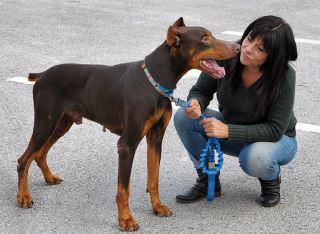
Dobie Ranch Rescue Inc., founded in 2010 by Diane DeSantis, is a licensed 501(c)(3) nonprofit dedicated to rescuing, rehabilitating, and rehoming Doberman Pinschers. Based in Florida, the group’s mission is to give unwanted Dobermans a second chance at a safe and loving home.
The rescue was inspired by Abbie Rose, a Doberman whose short life left a lasting legacy. Through her unconditional love, loyalty, and spirit of giving, Abbie taught valuable lessons about both joy and heartbreak. Her memory lives on through Dobie Ranch Rescue, ensuring that other Dobermans in need are given the same chance to find safe, loyal, and forever homes.
Most Dobermans in their care come from shelters across Florida, with some arriving from Georgia and Alabama. Others are surrendered by owners unable to provide proper care. On average, Dobie Ranch Rescue takes in about 175 Dobermans each year, ensuring that “no Doberman is left behind.”
Unlike many rescues, Dobie Ranch Rescue operates entirely through foster homes rather than kennels. Each dog lives as part of a family, allowing foster parents to evaluate personality, preferences, and behavior in everyday situations. This valuable insight helps match every Doberman with the right adoptive family, reducing the chance of returns and creating lasting bonds.
Education is another key focus. Potential adopters receive guidance on the breed’s characteristics, health concerns, and training needs to ensure they are well prepared to care for their new companion. Dobie Ranch also shares success stories and updates through social media, highlighting the resilience of Dobermans and inspiring others to adopt, foster, or volunteer.
At 4Knines, we are proud to support Dobie Ranch Rescue and their tireless work saving and rehoming this loyal breed. Their mission reflects our own commitment to helping dogs and their families enjoy safe, happy lives together.
If you’d like to get involved, consider donating to Dobie Ranch Rescue. Your support helps provide food, medical care, and supplies for Dobermans in need—and brings them one step closer to finding their forever homes. Together, we can ensure no Doberman is left behind.
A dog begins vomiting after dinner. A cat suddenly starts limping. A puppy chews open a packet of medication but still appears alert. In each situation, the pet needs attention, but deciding where to seek help may not be straightforward. Should the owner book a same-day urgent-care appointment, call the regular veterinarian or travel directly to a 24-hour emergency hospital? Urgent-care clinics and emergency hospitals serve different purposes. Urgent care generally handles conditions that require prompt assessment but do not appear immediately life-threatening. Emergency hospitals are equipped for critical cases that may require continuous monitoring, intensive treatment or advanced intervention. Symptoms can change quickly, and animals often hide pain or illness. When the appropriate level of care is unclear, contacting a veterinary provider and describing the symptoms is safer than relying on a checklist alone. What is veterinary urgent care? Veterinary urgent care fills the gap between a routine appointment and a life-threatening emergency. Routine appointments are usually suitable for preventive care, vaccinations, stable chronic conditions and concerns that have not suddenly worsened. Urgent care is intended for problems that should be evaluated the same day but involve a pet that is currently stable. Possible urgent-care concerns include: Vomiting or diarrhea without collapse Sudden limping Minor wounds or burns Ear infections Skin irritation Eye redness or discharge Reduced appetite Coughing without breathing distress Urinary discomfort when the pet can still pass urine The pet’s age and health history matter. Vomiting in a healthy adult dog may be assessed differently from the same symptom in a young puppy, an older animal or a pet with diabetes, kidney disease or another existing condition. Veterinary teams use triage to assess severity and determine how quickly care is needed. Triage may begin over the phone, but a physical examination and diagnostic testing are often needed before a diagnosis can be made. Where an integrated veterinary clinic can help Integrated veterinary clinics are becoming an important middle ground between routine primary care and full emergency hospitals. These providers may offer preventive appointments, same-day visits and urgent-care services in one location, making it easier for pet owners to seek help when a problem cannot wait for a standard appointment. Depending on the clinic, urgent-care teams may be able to examine a sick or injured pet, run laboratory tests, take diagnostic images, administer medication, treat minor wounds or begin stabilising an animal before referral. For pet owners in the Salt Lake City area, the Sploot Holladay vet hospital is one example of this model. It provides primary and urgent veterinary care, operates from 8 a.m. to 8 p.m., 365 days a year, and offers same-day appointments and urgent drop-offs during operating hours. Other pets may be better served by their regular veterinarian, a specialist or a 24-hour emergency hospital. Animals requiring overnight monitoring, advanced surgery, blood transfusions, mechanical ventilation or intensive oxygen support generally need a facility equipped for continuous critical care. The role of an integrated clinic is therefore not to replace every type of veterinary provider. It is to offer an accessible first point of contact, treat appropriate same-day conditions and help owners understand when a higher level of care is necessary. Signs that may require an emergency vet A veterinary emergency is a condition in which delaying treatment could threaten an animal’s life, cause severe suffering or result in permanent harm. Travel to an appropriate emergency hospital when a pet experiences: Difficulty breathing Blue, grey or very pale gums Collapse or loss of consciousness Repeated or prolonged seizures Severe bleeding that will not stop Major trauma, including being hit by a vehicle A swollen abdomen with unsuccessful attempts to vomit Suspected poisoning with serious symptoms Heatstroke Inability to urinate Sudden paralysis Severe burns Complications during labour When possible, call the hospital while traveling so the team knows a potentially critical patient is coming. Do not delay departure when the animal is struggling to breathe, actively seizing or rapidly deteriorating. Breathing difficulty is always serious Coughing does not always mean a pet is in respiratory distress. A dog that coughs occasionally but remains alert and breathes comfortably may be suitable for same-day urgent care. Laboured breathing is different. Warning signs include rapid or difficult breathing at rest, exaggerated abdominal movement, an extended neck, open-mouth breathing in a cat, blue gums, noisy breathing, weakness or collapse. Do not force a pet with breathing difficulty to lie in an uncomfortable position. Keep the animal calm, minimize handling and travel directly to an emergency hospital. Vomiting and diarrhea: urgent or emergency? Digestive problems are among the most common reasons owners seek same-day care. A single episode of vomiting in an otherwise comfortable adult pet may not always be an emergency. Contact a veterinarian when vomiting continues, the pet cannot keep water down, diarrhea is persistent or the animal appears painful or unusually tired. Prompt assessment is particularly important for puppies, kittens, senior animals and pets with existing medical conditions because dehydration and weakness can develop more quickly. Digestive symptoms may indicate an emergency when they occur with: Collapse or extreme weakness A tense or rapidly swollen abdomen Repeated attempts to vomit without producing anything Significant blood in vomit or stool Pale gums Suspected toxin exposure Known ingestion of a foreign object Severe abdominal pain A swollen abdomen accompanied by restlessness, retching or weakness should not be monitored at home. Limping, wounds and physical injuries Sudden limping may result from a torn nail, cut paw, muscle strain, joint injury or embedded foreign object. When the pet remains stable and can still walk, urgent care may be able to assess the limb, manage pain and determine whether imaging is necessary. Emergency treatment is more appropriate when the animal: Cannot stand or bear weight Has an obviously deformed limb Is bleeding heavily Has suffered a major fall or vehicle accident Appears disoriented or unresponsive Shows severe or uncontrollable pain Major trauma can cause internal bleeding even when no external injury is visible. Move an injured pet carefully, and avoid placing your hands near its mouth. Pain and fear can cause even a normally gentle animal to bite. Routine paw checks may help owners identify cuts, cracked nails and other common dog-walking injuries before they worsen. Eye problems may worsen quickly Redness, discharge, squinting and pawing at an eye may result from irritation, infection, a scratch, dry eye or foreign material. These concerns often fit urgent care because delaying treatment can increase pain and potentially threaten vision. Seek emergency help for severe trauma, chemical exposure, sudden blindness, uncontrolled bleeding around the eye or an eye that appears displaced. Do not use leftover eye medication from another pet. Some treatments that help one condition can worsen another, especially when the surface of the eye has been damaged. Suspected poisoning requires immediate advice Potential toxin exposure should always be taken seriously, even when the pet still appears normal. Common hazards include human medications, rodenticides, antifreeze, cannabis products, xylitol, chocolate, cleaning chemicals and toxic plants. The risk depends on the substance, dose, pet’s size and time since exposure. Call a veterinarian or recognized animal poison-control service immediately. Keep the packaging and be prepared to provide the product name, approximate amount and time of exposure. Do not induce vomiting or give food, milk or medication unless a veterinary professional instructs you to do so. Vomiting can worsen certain exposures, while home remedies may delay effective treatment. Collapse, seizures, breathing difficulty, repeated vomiting or severe weakness after a possible exposure should be treated as an emergency. Heatstroke needs emergency treatment Heatstroke is not a condition to monitor at home. Warning signs may include excessive panting, heavy drooling, weakness, vomiting, bloody diarrhea, confusion, breathing difficulty, seizures and collapse. Move the pet to a cooler environment and begin travelling to an emergency hospital. Cool water and vehicle air conditioning may help during transport, but ice or extremely cold water may interfere with safe cooling. Follow the instructions of the veterinary team. Before traveling, owners should research veterinary facilities along the route and follow practical road-trip safety tips for dogs, including carrying medical records, medications, water and a pet first-aid kit. Flat-faced breeds, overweight pets, senior animals and pets with heart or respiratory disease may overheat more easily, but any animal can develop heatstroke. What to tell the clinic when calling Clear information helps the veterinary team recommend the right next step. Be ready to explain: The pet’s species, breed, age and approximate weight The main symptom and when it started Whether the pet is breathing normally Whether the animal can stand and walk Whether vomiting, diarrhea, bleeding or seizures are occurring Existing health conditions and medications Any possible injury, foreign-object ingestion or toxin exposure Whether the condition is stable or rapidly worsening A short video may help when symptoms such as coughing, shaking or unusual movement are difficult to describe. Recording should never delay emergency treatment. Prepare before your pet needs help The middle of a crisis is not the ideal time to research veterinary facilities. Review this guidance on preparing a pet first-aid kit and learning basic pet CPR, while remembering that first aid supports safe transport rather than replacing veterinary treatment. Owners should identify three resources in advance: their regular veterinarian, a nearby urgent-care clinic and the closest 24-hour emergency hospital. Save each provider’s telephone number and confirm operating hours. Keep medication details, vaccination records and microchip information accessible. A pet first-aid kit may help protect a wound or support safe transport, but it should never replace professional assessment. Choosing the appropriate level of care Urgent care and emergency medicine are not competing services. They support pets with different levels of medical need and often work together. Urgent care may be appropriate when a pet needs prompt attention but remains stable. An emergency hospital is the safer destination when breathing, circulation, consciousness or another vital function is compromised. Across the cities it serves, Sploot Veterinary Care offers an accessible point of contact for same-day illnesses, injuries and urgent concerns during operating hours. When a pet needs overnight monitoring or advanced critical care, the veterinary team can advise whether referral to a full-service emergency hospital is necessary. When the situation remains uncertain, call a veterinary provider and describe exactly what is happening. When the pet is collapsing, struggling to breathe, seizing, bleeding heavily or showing another life-threatening sign, seek emergency treatment immediately. Choosing the appropriate level of care can reduce confusion, prevent avoidable delays and help a sick or injured pet receive timely treatment. Author Bio Dr. Jessica Apted, DVM is the Regional Medical Director at Sploot Veterinary Care, where she helps lead a team dedicated to delivering compassionate, evidence-based veterinary care. She has extensive experience in preventive medicine, urgent care, and pet wellness, and is committed to helping pet owners make informed decisions that support healthier, happier lives for their dogs and cats.
Learn moreA Mission of Service Beyond Retirement Mission K9 Rescue exists for one clear purpose: to serve retired working dogs who have already served people, communities, and the country. For more than 13 years, Mission K9 Rescue has helped military working dogs, contract working dogs, and other working dogs transition from duty to safety, care, and permanent homes. Many of these dogs worked in difficult environments overseas, performed dangerous jobs, and gave years of loyal service. When their working careers end, Mission K9 Rescue steps in to help them receive the retirement they have earned. Since its founding, Mission K9 Rescue has rescued more than 1,400 working dogs and reunited more than 800 of them with their former military handlers. These reunions are some of the organization's most meaningful work. For many handlers, these dogs were not simply partners. They were family, protectors, and trusted companions during some of the hardest moments of their lives. Providing Care Every Step of the Way Mission K9 Rescue's work includes rescue, transport, veterinary care, rehabilitation, adoption, and reunion efforts. Their mission is built around five core commitments: Rescue, Reunite, Re-Home, Rehabilitate, and Repair retired working dogs that have served mankind in some capacity. Some retired working dogs are brought home from overseas, while others are rescued from unsafe situations closer to home. Whenever possible, Mission K9 Rescue works to reunite dogs with their former handlers, who are always given first consideration. Dogs without a designated handler are carefully rehabilitated and matched with loving adoptive families. Many retired working dogs require medical treatment, while others need time, patience, and specialized care to decompress after years of demanding service. Mission K9 Rescue provides veterinary care, rehabilitation, and individualized support to help each dog transition from active service to the safe, comfortable retirement they have earned. Practical Support Makes a Difference That mission is strengthened by partners and supporters who make this work possible in practical ways. About six years ago, 4Knines stepped up by donating a generous number of rear seat covers. Those covers quickly became more than a convenience. They proved durable, well-fitting, and easy to clean, helping protect vehicles during transport while saving the organization thousands of dollars in potential seat damage. For a rescue that transports working dogs frequently, that kind of support matters. Today, Mission K9 Rescue continues to face growing needs. More dogs require help, transport costs remain high, veterinary care is ongoing, and the work does not pause when funding slows down. Standing Behind Those Who Served Mission K9 Rescue is grateful for every person and company that stands behind these retired working dogs. Support from caring donors, businesses, and advocates directly helps provide rescue, care, reunions, and new beginnings for dogs who have already given so much. Join 4Knines in supporting Mission K9 Rescue and the retired working dogs they serve. Every donation helps provide lifesaving medical care, transportation, rehabilitation, and the opportunity for these remarkable dogs to enjoy the retirement they have earned. Together, we can honor their service by giving back to those who have given so much.
Learn moreBest dog seat cover brand that backs it for life. Discover why cheap covers fail and how to protect your seats for good.
Learn moreExclusive deal on all orders
Within 30 days of purchase with Redo
Contact us or Phone 888-602-2509
Visa, Master, ApplePay, & more
Get the scoop on exclusive offers and product launches.
By subscribing you agree to the Terms of Use & Privacy Policy.