Cart
Your cart is empty
Looks like you haven’t added anything yet, browse our bestsellers below!
Continue ShoppingLooks like you haven’t added anything yet, browse our bestsellers below!
Continue Shopping
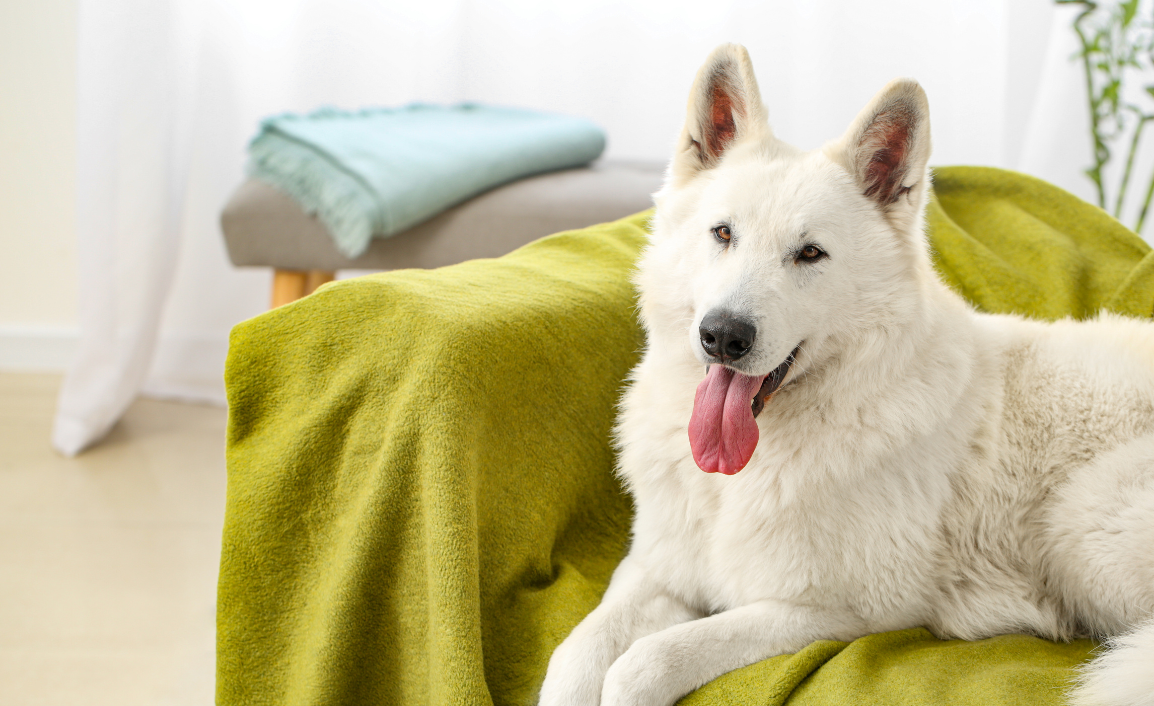
White shepherds shed excessively, can get dirty fast, and if you don’t keep up with their grooming needs, their fur can get matted or even start trapping odors.
The real question is how to properly groom a White German Shepherd without turning your home into a snowstorm of fur. Well, this will require some right tools, knowing when to bathe them (hint: not too often!), and handling that double coat the right way.
Let’s find out the best grooming tips in this post.
The dense double coat of White German Shepherds sheds throughout the year, but especially in the spring and autumn. Regular brushing prevents tangling and reduces shedding.
Frequency: Groom your dog daily during shedding periods and a minimum of three to four times per week.
Required Tools: Efficiently eliminate the loose fur of a white German Shepherd with a slicker brush, undercoat rake, and de-shedding tool.
Tip: Brush from the neck to the tail, aligning with the direction of hair growth. Give the undercoat extra attention to avoid tangles.
Bathing keeps the white coat of your White German Shepherd clean and clear of stains and grime.
Frequency: Bathing should be usually done every 3-4 months, but more regularly if your puppy becomes unclean or has a strong odor.
Shampoo Choice: Opt for a whitening dog shampoo to enhance the natural brightness of the coat.
Rinsing & Drying: Rinse your dog well to avoid residue accumulation, then use a towel and a low-heat blow dryer to dry entirely to avoid moisture that can cause skin infections.
Your dog will prevent discomfort and poor posture if their nails are kept short.
Frequency: Nails should be trimmed after every three to four weeks.
Suitable Tools: Use a dog nail clipper or grinder.
Tip: Check carefully for the quick, which is the pink area inside the nail, to stop bleeding. If in doubt, trim gradually using a grinder.
Erect ears on White German Shepherds can catch dirt and debris and cause infections if they are not cleaned regularly.
Frequency: Check and clean the dog’s ears once a week.
Suitable Tools: Use a veterinarian-approved ear-cleaning solution and cotton pads.
Technique: Gently wipe the outer ear, and do not put anything deep into the ear canal.
Dental hygiene is important for the health of White German Shepherd.
Frequency: Brush the white GSD teeth at least 2–3 times a week.
Suitable Tools: Use a dog toothbrush and dog-friendly toothpaste.
Alternative Options: Dental chews and water additives can help maintain oral hygiene between brushings.
Eye discharge and tear stains might be more common in White German Shepherds.
Frequency: Clean the eye area as needed.
Suitable Tools: Use a damp cotton ball or a dog-safe eye wipe.
Technique: Gently wipe around the eyes to remove dirt and discharge.
Paw Inspection: Check your pup’s paws for cracks, dryness, or even little bits of debris that can sneak in and cause discomfort. Check them regularly to make sure they are in good shape.
Coat Whitening: Use a dog-safe whitening spray or even a simple baking soda paste to brighten up their white fur without any harsh chemicals.
Remember, with a good and continuous grooming routine, you are moving toward keeping your shepherd clean, happy, comfortable, and healthy.
Regular brushing will control over-shedding, clean ears, and trimmed nails prevent bigger health problems, and the right bath routine keeps them smelling fresh without drying out their skin.
And honestly Grooming is also a chance to slow down and spend time with your dog. They trust you and look to you for care; these moments only strengthen that bond.
Michael Kempkes grew up in Borken, Germany, and discovered his passion for German Shepherds at the age of nine. Over the years, he has gained deep experience in training, titling, and showing these incredible dogs. Michael has worked with the German Military, training dogs for Personal Protection, Guard duty, bomb detection, and search and rescue. He has earned his official certifications through one of the top schools in the world for K9 training in Koblenz, Germany.
Photo by PNW Production from Pexels You didn’t notice the tick until you started unloading the car. The weekend camping trip was over. The gear was half unpacked. Then you saw it. A tiny brown dot crawled across your dog’s favorite spot in the backseat. Now the doubt creeps in. How many more came home with you? Your vehicle connects wild places to your front door. Pests climb aboard during outdoor adventures. They settle deep into fabric crevices and carpet fibers. These spaces become infestation time bombs. When the trip ends, those pests migrate straight into your living room. One visible tick usually means dozens are hiding where you cannot see them yet. Why Fleas and Ticks Enter Vehicles After Outdoor Adventures Your dog loves the outdoors. So do fleas and ticks. Trails and campsites all harbor these pests. Your dog runs through the grass. He sniffs around bushes. Fleas jump onto his fur. Ticks grab his skin. You never see them attach. They just come along for the ride. Your vehicle becomes the bridge. Pests ride home in comfort. They hide in the seat fabric. They burrow into floor mats. They tuck into cracks you cannot see. Darkness helps them hide. They wait there for days. They just need one warm body. Your dog. You. The next trip. The ride ends. The pests do not. You park in the garage, and you open the door. They crawl out. Now they find a new place to inhabit. Your bed. Your couch. Your carpet. They move from your vehicle straight into your home. You carried them there yourself. This is how outdoor trips turn into home infestations. You bring back happy memories. You also bring back pests. Stopping them early matters. Professional intervention is crucial. Experts identify sources and prevent further spread. A local service provider like Native Pest Management specializes in dealing with common infestations in your area. Some pests also remain hidden after entry. Fleas lay eggs deep in carpet fibers. These eggs hatch later and restart the infestation. Early treatment prevents spread. That said, homeowners often seek professional help with local expertise to deal more effectively with common infestations in the area. Again, consider local experts when selecting a pest control service. For instance, pest control in Kansas City may slightly differ from that in Florida when you factor in the weather, local ecosystems, and state regulations. Inspecting Your Dog Before Entering the Vehicle to Stop Pest Transfer Early Start with your hands. Run them through your dog’s fur from head to tail. Press down as you go to feel the skin underneath. A tick feels like a small bump. A flea feels like quick movement against your fingers. Go slow. Go through. This is not a pat on the head. This is a preliminary check. Move to the hidden places after the first pass. Ticks love warm spots. Behind the ears. Under the collar. Between toes. Inside leg pits. Lift each flap of skin and look. Fleas scatter when exposed, so watch for tiny dark shapes darting away. Do not forget the belly and groin. Fur grows thin on that part. Pests find it easier to bite. Do this before anyone opens the vehicle door. Gear can wait. The dog comes first. A thorough check takes three minutes. It stops pests from ever touching your seats. Prevention medicine helps, but your hands catch what medicine misses. Make this the rule after every outdoor adventure. Your car stays clean. Your home stays safe. Protecting Your Vehicle from Potential Infestations Pests do not need much to turn your vehicle into their home. A few crumbs. Some damp gear. A warm cargo liner. That is all it takes. You checked your dog. Good. Now check your vehicle before the next adventure starts. Clean the Right Way After Trips Vacuum everything. Not just the seats. Pull out floor mats—vacuum underneath. Run the attachment along seams and edges. Cracks collect eggs and larvae. Empty the vacuum outside. Put the bag in an outdoor bin. This stops anything you sucked from crawling back out. Use a Cargo Liner or Seat Cover Fabric seats trap pests deep in the weave. A plastic or rubber liner changes that. Pests cannot burrow into slick surfaces. They stay on top where you see them. Cargo liners also catch dirt and debris that attract fleas. Pull the liner out. Hose it down after dirty trips. Apply Vehicle-Safe Pest Treatments Some sprays kill fleas and ticks on contact. Look for permethrin-based products safe for vehicle use. Spray floor boards and seat bottoms. Focus on cracks and crevices. Let it dry completely before anyone rides inside. Reapply after washing the interior or after several muddy trips. Keep Gear Out When Not In Use Do not leave dirty gear sitting in the vehicle. Boots and blankets stay in the garage or mudroom. Pests hide in these items and wait. They emerge when you open the door next time. Empty the vehicle after every trip. Give pests nothing to feed on. Photo by PNW Production from Pexels Leave Fleas and Ticks Out of Your Home Pests survived the vehicle ride. Now they want inside your house. Stop them at the door. Your entryway is the last line of defense. Smart habits keep pests outside where they belong. Unload Gear Straight to the Laundry Do not drop bags on the floor inside. Do not toss blankets on the couch. Carry everything straight to the washing machine. Dump sleeping bags directly into the drum. Strip off the clothes you wore on the trail. Start a hot water cycle right away. Heat kills fleas and ticks fast. Vacuum Entry Points First Run the vacuum along doorways and mudrooms. Focus on corners and baseboards. These areas catch pests that fall off gear. Vacuum after every trip, even if you see nothing. Empty the canister outside immediately. Seal the bag. Toss it in the outdoor trash. Wrapping Up You love the outdoors. You should not love it inside your house. The same adventures that fill your memory can fill your home with pests. Break the route. Check your dog. Clean your vehicle. Guard your door. Keep exploring. Just do not bring the wild home with you. Author Bio: Julie Fitzgerald is a lifestyle writer with a passion for stories about pets and the people who love them. She enjoys creating thoughtful, engaging content that encourages responsible and loving pet care.
Learn moreCan I use universal seat covers on a Tesla Model Y? Learn why one-size-fits-all covers can block seat belts, LATCH anchors, and split-fold seats, and discover what to look for in a waterproof, non-slip, perfectly fitting seat cover that protects your Model Y without compromising safety or functionality.
Learn moreDiscover the best seat covers for Uber drivers that are easy to wipe down. Learn how truly waterproof, durable, non-slip covers protect your upholstery, save cleaning time between rides, and help you maintain a spotless, professional car that keeps 5-star ratings rolling in.
Learn moreExclusive deal on all orders
Within 30 days of purchase with Redo
Contact us or Phone 888-602-2509
Visa, Master, ApplePay, & more
Get the scoop on exclusive offers and product launches.
By subscribing you agree to the Terms of Use & Privacy Policy.