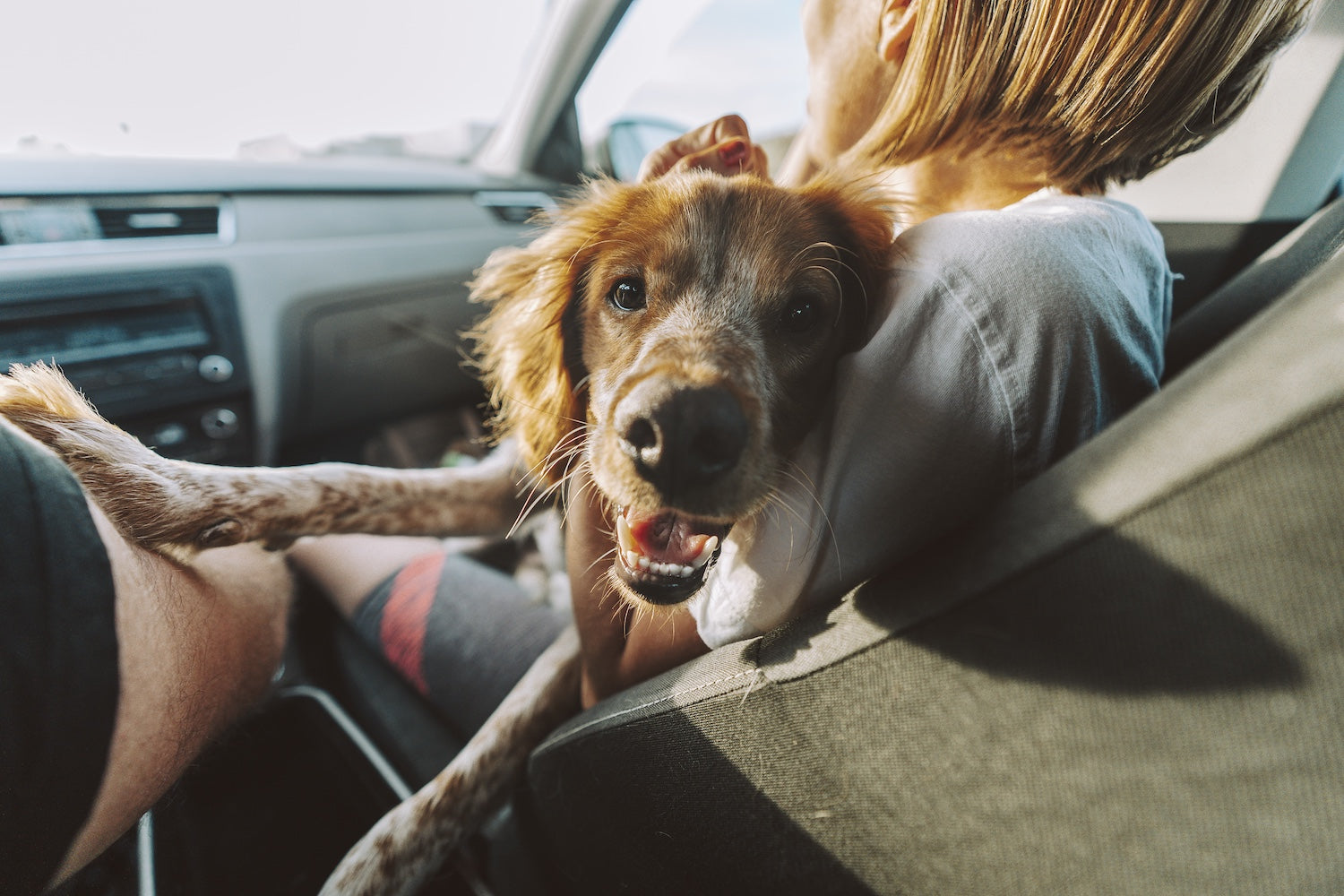
Traveling with your dog can be enjoyable, but long car rides can take a toll on their health. Even calm, experienced dogs may feel discomfort, stress, or physical strain on the road. Knowing what to watch for can keep your furry friend safe and comfortable during long car rides.
Whether you are planning a road trip, visiting family, or taking your dog to a far-off vet, knowing these risks helps keep your dogs healthy. Let’s look at six common health issues dogs face during long car rides and how to prevent or manage them.
1. Car Sickness & Vomiting
Motion during travel can make dogs feel sick. Motion sickness is common, especially in puppies or dogs new to long drives. Pet dogs that are either puppies or have never travelled long distances will show signs like drooling or vomiting. Some puppies will not want to eat food before traveling. It’s a mechanism that guards against vomiting in dogs.
It is recommended that you feed your dog a few hours before the car journey. This is done to ensure that the dog’s stomach does not react adversely. Another good approach is to get accustomed to long car rides. A well-ventilated crate/ harness will minimize the effects of motion sickness.
Tip: Avoid sudden stops and turns. These will make your dogs feel uncomfortable when they experience car sickness. Always try to monitor your dog closely to take prompt action if required.
2. Anxiety & Stress
Many dogs feel travel anxiety during long drives. Confinement, new surroundings, and car noises can trigger stress. Signs include whining, pacing, trembling, excessive panting, or trying to escape from their restraint.
Stress affects behavior and can cause physical symptoms such as a faster heart rate and shallow breathing. Bring familiar items, such as a blanket or toy. Calming music or pheromone sprays may help to calm a stressed dog during long rides.
Tip: Take frequent breaks. Allow your dog an opportunity to walk, stretch, and relieve himself. Speaking to your dog in a calm voice relaxes the dog.
Just as dogs can experience stress, veterinary professionals face a similar kind of fatigue from heavy workloads and constant patient care. Accessing work-life balance and professional well-being resources helps manage stress, prevent burnout, and maintain overall effectiveness.
3. Dehydration & Overheating
Dogs are also highly sensitive to temperature. During a long road trip, they can easily get dehydrated or suffer from a stroke. This would be especially likely in a closed car with insufficient ventilation or in a closed vehicle that has been parked in the sun. Symptoms would include excessive, labored, or noisy breathing, drooling, lethargy, vomiting, or even collapse.
Ensure that you provide clean, fresh water at all times. Dispense it in small quantities at intervals. Foldable water bowls or water bottles designed for dogs can be highly helpful. Never leave your dog alone in a parked automobile. In a closed automobile, the temperature can readily build up to dangerous levels.
Tip: If your dog seems to be overheating, call a halt early on in the shade. Offer your dog some water, and wet their skin as well as their feet with cold water.
4. Joint Pain & Muscle Stiffness
Prolonged sitting in a vehicle can also cause health problems for your dog. For example, a dog, especially an older dog with arthritis, may experience joint stiffness from merely sitting. Healthy dogs may experience occasional pain in their hip area, knees, and backbone.
Ensure to give your dog ample time to walk and stretch. Adding comfort layers on top of the dog crate can help reduce any strains on joints. Weight distribution dog travel harnesses can also be highly beneficial. Massage techniques can help prevent joint issues in your dog, especially before and after traveling.
Tip: Pay attention to your dog's movement after you have travelled. It helps you evaluate if any area of your dog's joints/muscles has developed any issues that need attention.
However, physical exertion is not the most problematic factor. Long trips can also lead to urinary discomfort in dogs.
5. Urinary Discomfort
During long trips, pets may have difficulty relieving their bladders. This may lead to urinary discomfort or unpleasant accidents. Symptoms may include restlessness, paw lifting, whining, or sniffing at the floor.
Accommodate stops every 1 to 2 hours to allow your dog to stretch his legs, along with relieving himself. Use absorbent travel pads when in crates to prevent mess that can contribute to stress to your dog, especially when your dog is an older dog with urinary tract diseases.
Tip: The route should include stops that are suitable for dogs. This will enable the dog to stretch and drink. It can even relieve itself.
A dog, even taking breaks, may be fatigued from a long journey, so it may also need some rest time.
6. Fatigue & Lethargy
Long car rides are quite draining for dogs. They are physically as well as mentally exhausted. This makes the dog sleep a lot, walk slowly, and seem to be oblivious to the surroundings. The dog looks a little dazed after being in the car for several hours.
Tip: Allow the dog to have a break. Ensure that the area is not stressful. Make sure your dog stays hydrated. Chewing toys that are most preferred will help to cope with boredom.
As a pet owner, it is important to know when to take your dog to a veterinarian.
When To Visit A Veterinarian
When you and your dog return home from a car ride, check for unusual signs in your dog, such as vomiting, diarrhea, limping, excessive panting, or acting abnormally. Some conditions may manifest immediately, while others may be obvious the day after the car ride.
Veterinarians review and track observations during the post-travel follow-up using veterinary SOAP notes. These notes efficiently track overall health changes and care instructions, ensuring timely follow-ups and reducing the risk of complications after travel.
Veterinary teams handling many patients and long hours can benefit from resources that help manage stress and stay healthy. Looking into flexible veterinary career opportunities can help them take care of themselves while still giving top-quality care.
Similarly, as a pet owner, you can take simple steps to make your dog’s car journey safe, comfortable, and stress-free.
Preparing Your Dog for A Healthy Ride
Appropriate preparation makes a huge difference:
-
Practice rides: Small rides help the dog become familiar with travel.
-
Pack essentials such as water, bowls, toys, and medications.
-
Use restraints: In this case, pet crates and pet seat belts can be used to ensure safety.
-
Plan Breaks: Take a 1- to 2-hour break every 1 to 2 hours to use the bathroom.
-
Veterinary Check-up: Make sure your pets' vaccination statuses are up to date, and discuss travel concerns with your veterinarian. Keeping these records accurate and following up on care helps ensure a safe and comfortable journey.
From the clinic’s perspective, managing these records and follow-ups can be streamlined with veterinary practice management software. It efficiently handles appointments, reminders, and post-visit communication, allowing staff to focus on providing the best patient care.
Final Thoughts
A dog can experience changes in its comfort and health due to prolonged travel in a car. Conditions such as motion sickness, stress, dehydration, stiffness, and tiredness are not uncommon to occur, yet they can be avoided. If you identify the signs early, you can act upon them before things become serious.
Small steps can sometimes have significant results. Short practice drives, frequent stops, adequate watering, and safe restraint all help ensure the dog has a smooth trip.
If your dog has a problem, a visit to a vet should resolve it instantly and provide you with immediate peace of mind. By planning and keeping your eyes open, every journey can become a safe and enjoyable one, not only for you but also for your dog.
Author: Ethan Ward
Ethan Ward is a passionate animal lover and pet care advocate with years of experience caring for dogs. With a background in veterinary health and animal behavior, they are dedicated to educating pet owners on how to keep their furry friends happy, healthy, and safe. Whether traveling for a road trip or just enjoying a day out, Ethan Ward believes that thoughtful preparation can make all the difference in ensuring a stress-free and enjoyable experience for both pets and their owners.