Author: Anam Junaid
Most dog clothing looks fine on a product page. The problem shows up later, when your dog is actually wearing it. That’s when you see the impact of the fabric choice.
Style is the easy part. Fabric weight determines whether dog clothing is protective or annoying. If the material is too heavy, your dog can move as if they are wearing a stiff backpack. If it is too light for the weather, your dog stays cold even though they are “dressed.”
So, how do you pick the right fabric weight? We'll get to that in a bit, but first, let's start with why that actually matters.
1. Fabric Weight Changes How Clothing Feels
A fabric's weight is determined by how much material it contains. More weight usually means thicker or denser fabric, and that affects three things. How much warmth it holds, how freely it bends when your dog moves, and how well it lets heat escape when your dog warms up.
That’s why two coats can look almost identical yet perform very differently. One stays comfortable through a full walk. The other ends up being the outfit your dog tries to wiggle off the second you put it on.
2. Warmth Depends On Trapped Air Pockets
Warmth is not just about “thick equals warm.” Warmth is basically trapped air. Good winter fabric holds small air pockets near the body, helping keep heat from escaping as quickly.
But there’s a wet-weather problem with some heavier fabrics. As soon as they get damp, they feel different. Heavier. Clammier. Sometimes even colder. And you’ll notice that fast if your route has wet grass, muddy patches, or rainy sidewalks.
So, sure, for small dogs, short-haired pups, seniors, and skinny dogs, a heavier layer can be a win. Just don’t pick a fabric that turns into a soggy weight once the weather gets damp.
A quick check helps. If your dog starts shivering early in a walk, they probably need warm clothing, like a dog coat or a jacket. If they start panting hard in cool weather, the fabric might be too heavy for the pace they are walking.

Source: Pexels
3. Heavy Fabrics Can Limit Shoulder Movement
Dogs use their shoulders and chest a lot. Their front legs reach forward from the shoulder, and that whole area is constantly in motion. When fabric is heavy and stiff, it can shorten their stride.
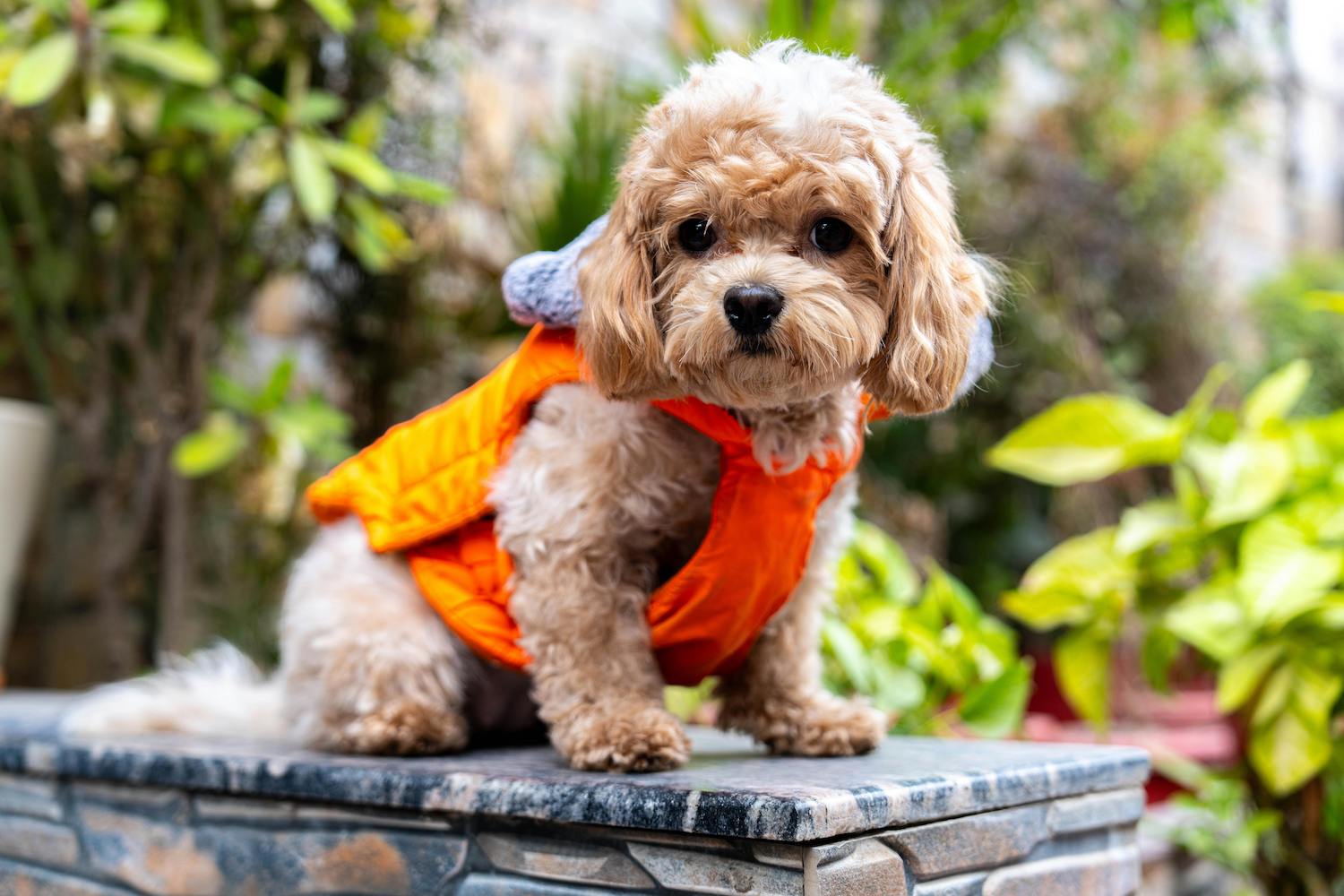
This is where weight matters more than looks. A thick hoodie-style outfit might seem cozy, but if it's heavy, it can put pressure on your dog's shoulders, and your dog will hate it, even if the size is technically correct.
Try this at home before you commit to a long outing. Put the clothing on, then watch your dog move. If you notice a slightly awkward walk or your dog pawing off the outfit, the weight is probably working against them.
4. Comfort Comes From Breathability And Flexibility
Soft doesn’t automatically mean comfortable. Some “plush” fabrics can trap heat once your dog gets moving. Others feel airy until they get wet, then they stick to the body and feel cold and gross.
Dogs also don’t sweat like people. They mostly cool off by panting. So when a layer traps heat, your dog may look off even if the weather isn’t that warm. You’ll see it in the walk. They stop a lot, they seem restless, or they suddenly decide they’re done and want to head home.
So, choose a breathable, flexible fabric. It should allow your dog to move around freely and barely notice it's on.
5. Your Dog’s Coat Changes The Best Weight
A “winter coat” label doesn’t mean much without context. A thick-coated dog might only need a light layer for wind. A short-haired dog might need real insulation in weather that feels mild to you. A small dog can lose heat faster than a larger dog, especially if they’re walking on cold ground.
So instead of shopping by season labels, shop by your dog’s reality. How fast do they get cold? Do they shake a lot in the wind? Do they hate wet weather? Those answers matter more than the words on a product page.
And activity level matters too. A slow stroll and a run at the park need different fabric weights. The latter needs flexibility and breathability so your dog doesn’t overheat.

Source: Pexels
6. Layering Beats Often One Bulky Outfit
There are plenty of days when the weather shifts in a single day. Cold early in the morning, warmer by midday. Windy near open spaces, calmer on sheltered streets. That’s where smart layering helps.
Layering beats “one big coat” for most dogs because it gives you options. Weather changes, your pace changes, your dog’s body heat changes. With layers, you can take one off when they warm up without stripping everything. A solid setup is a flexible base layer and a light, weatherproof outer layer that cuts wind and rain without feeling heavy.
7. Shop By Conditions, Not By Cute Photos
If you want to buy smarter without getting lost in fabric talk, start with two questions. What conditions are you dressing for, and what does your dog do on a walk?
Cold and still days usually need more insulation. Windy days need wind blocking, even if the temperature isn’t extreme. Wet days need waterproof fabric that stays comfortable when damp. Then match that to your dog’s body and habits. A calm, slow walker or a short-haired breed often needs more warmth. A dog that sprints and plays or has thicker fur often does better in lighter, flexible fabric.
If you’re stuck between two options, pick the one that supports movement first. You can always add warmth with better layering. It’s harder to fix a stiff outfit that makes your dog walk like they’re uncomfortable.
Conclusion
The best dog clothing is the kind your dog barely notices. When fabric weight matches the weather and your dog’s movement, you get fewer clothing battles and a dog that is happy and comfortable. Next time you shop, let fabric weight be the decision. Style should be the bonus.
Want more dog travel tips from 4Knines?
Add 4Knines as a Preferred Source on Google to see more of our guides, advice, and dog travel content in Search.