Your cart is empty
Looks like you haven’t added anything yet, browse our bestsellers below!
Continue ShoppingLooks like you haven’t added anything yet, browse our bestsellers below!
Continue Shopping
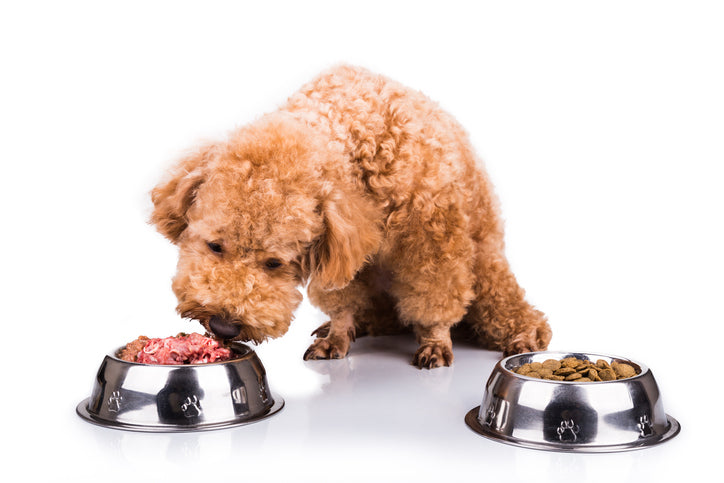
Neko had been diagnosed with Degenerative Myelopathy (DM) by the shelter vet. We saved Neko under the assumption that he would probably only have seven months to live given his condition and we had enough donations lined up to give him a good end of life. As I took a personal interest in this amazing dog, I researched nutritional protocols to slow the progression of his disease. After my research, I decided to switch Neko to a raw diet; something I had never done before.
I was cooking a custom, breed-specific diet for my own German Shepherds, which they did fantastic with, but I never ventured into raw food. What I observed with Neko after this switch was truly remarkable. Neko ended up at my own home and so I could observe all changes first hand. He recovered from a dog that couldn’t get up, to a dog that was mostly standing on his own legs. He was wobbly but mobile. This incredible improvement made me question the original diagnosis and after more fundraisers and diagnostics, we determined Neko had a spinal injury that could be repaired through surgery. The surgery took place in December 2016 and Neko is still in physical therapy but is expected to regain full mobility next year. You can read more about Neko’s story on Sylvester’s Haven’s website but I want to focus on the raw food.
In 1941, canned dog food had a 90% share of the market… until the United States entered World War II and the government started rationing tin and meat, hence dry dog food was made popular. In 1950 the Ralston Purina Company started using a cooking extruder to make their Chex cereal. Ingredients were pushed through a tube, cooked under high pressure, and puffed up with air. This allowed Chex to stay crisp when milk was added. At about the same time, manufacturers were getting complaints about the appearance, texture, and digestibility of dry dog food. Purina’s pet food division borrowed an extruder from the cereal division and experimented with it in secret for three years. The result: Purina Dog Chow. Dogs loved it, it digested well, and it quickly became the number one dog food in the nation.(Source: Neatorama – The History of Dog Food)
The thing is, an extruder only works when the food has a lot of starch. According to Dr. Richard Patton, 50,000 years ago dogs ate a diet that contained 4% carbohydrates. Today, the diet contains 48% carbohydrates and this mostly because carbohydrates are cheap and the extruder needs them to work. It is however not what dogs used to eat naturally before we bought their food at the supermarket.
In researching the history of canine nutrition. I discovered and read “Unlocking the Canine Ancestral Diet by Steve Brown,” which provided further insights into a healthy canine diet: 60% fat, 35% protein, 5% carbs. The extruder doesn’t work with that little carb (starch) content. To determine the carbohydrate content of any dog food, simply add the percentage values of fat, protein and fiber as listed on the bag and subtract that number from 100. The result is the percentage of carbohydrates in your dog’s food. Carbohydrates are basically starch and sugar and starch becomes sugar (glucose) during digestion. Just like with people, fewer carbohydrates are healthier for dogs.
Given how unnatural it is for a dog to eat that way it is not surprising that the life expectancy of dogs has steady DECREASED by 11% every 10 years since 1970. (Source: UK Kennel Club)
These facts and my own experiences led me to develop a custom raw recipe for German Shepherds and Neko has been enjoying this for a while now. My other dogs will soon follow.
From what I have read and seen myself, raw food is worth exploring, especially if your dog has health issues. There are commercial raw diets on the market today to help you get started.
Ralf WeberRalf Weber is a certified dog trainer and behaviorist. A professional member of the International Association of Canine Professionals {IACP), an AKC evaluator for Puppy S.T.A.R., Canine Good Citizen and Community Canine certifications, author of the dog behavioral book: “If Your Dog Could Talk“ and owner of the dog training company Happy Dog Training. Ralf works with clients in Southern California and can be contacted through his website at HappyDogTraining.info.
The Parent’s Guide to After-School Pickup: A Calmer, Cleaner Ride Home The final school bell rings, and for many parents, it’s the starting gun for the day’s most chaotic event: the after-school pickup. You watch as your kids pile into the car, a whirlwind of energy, heavy backpacks, muddy shoes, and the remnants of their lunchbox. It’s a moment filled with joy and reunion, but it’s also a daily stress test for your vehicle’s interior. Crumbs find their way into every crevice, juice boxes tip over, and sports gear leaves its mark on your upholstery. The family car often bears the brunt of this daily transition, turning a valuable asset into a rolling mess-magnet. But it doesn’t have to be this way. With the right strategy and a few after school pickup essentials, you can transform your vehicle from a stress zone into a prepared, protected sanctuary on wheels. This isn’t about achieving sterile perfection; it’s about creating a system that reduces your daily cleanup burden, protects your car from long-term damage, and makes the ride home a more peaceful transition for everyone. This guide will walk you through a practical, layered approach to mastering the after-school pickup, ensuring you can meet your child’s needs without sacrificing your car’s cleanliness and value. We’ll show you how to build a routine that saves you time, stress, and the headache of constant deep-cleaning. Why Does the After-School Pickup Wreck Your Car and Your Nerves? For many parents, the car ride home is a critical 'transition zone.' As experts at the Child Mind Institute point out, children are often overstimulated, emotionally drained, and hungry after a long day of learning and social interaction. This state can lead to meltdowns, spills, and a general disregard for cleanliness. The car becomes the first place they can finally decompress, and that process is often messy. The core issue isn't the kids themselves, but the lack of a system to manage this predictable daily event. Most parents fall into a reactive cycle: dealing with messes only after they happen. You wipe up the spill after it has already started to soak into the seat, and you vacuum the crumbs long after they’ve been ground into the floor mats. This approach feels like you’re always one step behind, and the cumulative effect is significant. It leads to stained upholstery, scratched surfaces, lingering odors, and a decline in your vehicle's resale value. More importantly, it adds to your own mental load, turning what should be a happy reunion into a frustrating chore. The challenge is two-fold: you must address your child's immediate needs for comfort and food while simultaneously protecting your vehicle's interior. Without a proactive plan, these two goals are often in conflict. Giving your child a snack might prevent a hunger-induced tantrum, but it also invites crumbs and spills. Letting them toss their backpack on the seat gets you on the road faster, but it risks scuffs and tears. The key is to stop reacting and start preparing. The Reactive Approach The Proactive Approach Cleaning spills after they soak in Having a waterproof barrier in place Finding ground-in crumbs days later Using an easy-to-clean surface Worrying about scuffs from bags and gear Using a durable, protective layer Feeling stressed and overwhelmed daily Feeling prepared and in control TL;DR – Quick Takeaways Embrace a Proactive System: Instead of cleaning up messes after they happen, set up your car to prevent them in the first place. This saves time, reduces stress, and protects your car's value. Acknowledge the 'Transition Zone': The ride home is a crucial time for kids to decompress. Meeting their needs with planned snacks and comfort items can prevent many messes and meltdowns. Prioritize Vehicle Protection: The most critical step is a foundational layer of protection. A high-quality, durable seat cover is the non-negotiable essential that makes all other cleanup efforts easier. How Do You Build a Car Sanctuary on Wheels? Creating a calm, clean car environment is about building a simple, three-layered system. Each layer addresses a different aspect of the after-school pickup, and when used together, they create a seamless, stress-free experience. Think of it as your mobile headquarters, always ready for action. Layer 1: The Child Comfort Kit This layer is all about meeting your child’s immediate needs the moment they get in the car. A comfortable, nourished child is far less likely to be fussy or careless. Your kit should be simple and stored in an accessible caddy or seat-back organizer. Mess-Free Snacks & Drinks: Pack snacks that minimize crumbs, like cheese sticks, apple slices, or granola bars. Use spill-proof water bottles or juice pouches with straws to prevent accidents. Calm-Down Activities: For longer rides, have a small book, a coloring pad, or a favorite toy ready. This helps redirect their energy and provides a quiet way to decompress. Comfort Items: A small blanket or a favorite stuffed animal can provide a sense of security and comfort after a tiring day. Layer 2: The Instant Cleanup Station This layer ensures you can tackle any messes that do happen, quickly and efficiently. Having these items within arm's reach prevents small issues from becoming big problems. Wipes and Napkins: An absolute must-have for sticky fingers and small spills. A Designated Trash Receptacle: Use a small, dedicated car trash can or even just a plastic bag to collect wrappers and garbage. This simple habit keeps clutter from taking over. A 'Just-in-Case' Towel: Keep an old towel in the trunk for surprise muddy days or major spills. Layer 3: The Foundational Protection Shield This is the most important layer and the one that makes all the others work. While the first two layers manage the chaos, this layer protects your vehicle from it. Without a durable, waterproof barrier, crumbs will still find their way into seams and spills will eventually become stains. A high-quality rear seat cover is the bedrock of a prepared family vehicle. But not all covers are created equal; certain features are non-negotiable for handling the rigors of family life. 4Knines Seat Cover — Built to protect your vehicle's interior from the daily demands of carpools, sports gear, and family adventures. Key Qualities to Look For in a Seat Cover Complete Seat and Floor Protection A Heavy-Duty, Puncture-Resistant Material Reliable, Lab-Tested Waterproofing A Secure, Non-Slip Fit That Stays in Place Effortless Installation and Cleaning 1. Complete Seat and Floor Protection Kids don't just sit politely in their seats. They kick the seatbacks, drop things on the floor, and use the seats as a launchpad. Look for a cover that offers generous coverage, including the seat base, back, and ideally, a hammock feature that shields the floor and the back of your front seats. This creates a contained zone for messes. 2. A Heavy-Duty, Puncture-Resistant Material Your seat cover needs to be tougher than your kids' gear. Think about backpack zippers, sports cleats, musical instrument cases, and forgotten toys. A thin, flimsy cover won't last a semester. A heavy-duty polyester with a tight weave is ideal because it resists tears and punctures, protecting your upholstery from the kind of accidental damage that is expensive to repair. 3. Reliable, Lab-Tested Waterproofing Spills are inevitable. From tipped water bottles to leaky juice boxes, moisture is a constant threat to your car's interior. You need more than just "water-resistant" fabric; you need true waterproofing. Look for covers with a dedicated waterproof membrane. This technology ensures that even if a liquid sits for a while, it won’t soak through to the seats, preventing stains and musty odors. 4. A Secure, Non-Slip Fit That Stays in Place A cover that bunches up and slides around is not only ineffective but also frustrating. A great cover uses multiple points of contact to stay put: sturdy headrest straps, seat anchors that tuck between the cushions, and a non-slip backing material. This ensures the cover remains securely in place, even with wriggly kids climbing in and out. 5. Effortless Installation and Cleaning Finally, the cover itself shouldn’t be a chore. It should install in minutes with intuitive straps and clips. And when it comes to cleaning, the easier, the better. The best materials allow you to simply wipe them down with a damp cloth for daily messes. For a deeper clean, the ability to hose it off or put it in the washing machine is a huge time-saver for busy parents. The 4Knines Difference: Protection Engineered for Real Life At 4Knines, we understand that a seat cover is more than an accessory; it’s an essential piece of gear for any active family. Founded by dog lovers who were frustrated with products that couldn't handle real-life mess and wear, we engineered our covers for maximum durability and protection. That same commitment to quality is what makes our covers the perfect solution for the daily challenges of after-school pickups. We didn't just design a cover; we obsessed over it, going through 11 iterations to get it right. Our primary goal was protection. While keeping seats clean is important, preventing permanent damage from sharp objects like dog claws, backpack zippers, or sports equipment is our top priority. Cheaper covers might contain a small spill, but they won’t stop a cleat from puncturing your leather seats. 4Knines is built to be a shield. Our heavy-duty polyester material provides the puncture resistance needed to protect your investment. For waterproofing, we developed K9-Shield® technology, a multi-layer system with a dedicated waterproof membrane. We had it tested by a third-party lab, and the results speak for themselves: our seat bottom fabric can withstand 10,649 mm of water pressure. To put that in perspective, heavy rain jackets are typically rated between 5,000–8,000 mm. This means our covers offer protection you can count on, day in and day out. We know a cover only works if it stays put, which is why we use a high-temperature rated non-slip backing, sturdy seat anchors, and heavy-duty straps to create a secure, universal fit. Since 2013, we’ve been committed to this level of quality, and we back it with USA-based customer service and a lifetime warranty (*exclusions apply). Choosing 4Knines is choosing peace of mind, knowing your vehicle is protected by gear that’s built for the long haul. Recommended Product: Rear Seat Cover for Fold Down Seats Protection Without Compromise. Enhance your journeys with a Rear Seat Cover that creates a safe, comfortable, and stress-free space for your entire family, paws and all. Easy to use and built to last. Learn More Car Seat Compatible: Velcro openings provide full access to LATCH anchors and seatbelts. Stays in Place: A heavy-duty non-slip backing and seat anchors prevent sliding. Waterproof & Durable: K9-Shield multi-layer construction protects against all messes. Consider adding a Seat Back Organizer to compliment the rear seat cover for total protection. ▶️ Watch on YouTube Conclusion: Win the Day, Before it Begins The after-school pickup will always have an element of unpredictability, but your response to it doesn't have to be chaotic. By shifting from a reactive mindset to a proactive one, you can reclaim control over your car's interior and your own peace of mind. The three-layered system—Child Comfort, Instant Cleanup, and Foundational Protection—provides a simple yet powerful framework for managing the daily routine. While snacks and wipes are helpful, the true cornerstone of this system is the protection layer. Investing in a durable, waterproof, and well-fitted seat cover like those from 4Knines isn't just about keeping your car clean; it's about protecting a significant asset from long-term damage. It allows you to say "yes" to post-practice snacks and "don't worry" to muddy shoes. It empowers you to be the calm, prepared parent you want to be, ready for every ride and whatever mess it may bring. Stop cleaning up the chaos and start preventing it. Your car—and your future self—will thank you. Frequently Asked Questions How durable are these covers against kid-related wear and tear? Our covers are made from heavy-duty, tightly woven polyester, making them highly resistant to punctures and tears from things like backpack zippers, sports equipment, and other sharp objects under normal use. While no fabric is indestructible, they are engineered to withstand the daily rigors of family life far better than standard covers. My new cover feels a bit slippery. Is that normal? Yes, this is normal for a brand-new cover. The heavy-duty fibers and the factory-applied waterproofing layer can feel slick at first. To break it in quickly, you can lightly mist the top with water, ball it up for 15-20 minutes, and then hang it to air dry. This softens the fibers and improves grip without affecting its protective qualities. What’s the easiest way to clean up crumbs and spills? For everyday messes like crumbs and dirt, you can simply shake the cover out or wipe it down with a damp cloth. For sticky spills or mud, a quick spray with a hose is incredibly effective. The water releases debris from the tight weave without needing a full machine wash. The cover air dries quickly, making cleanup fast and simple. Can I still use the seat belts with the cover on? Absolutely. Our covers are designed with seat belt openings that have hook-and-loop closures. This allows easy access to seat belt buckles for car seats, booster seats, and passengers, ensuring safety is never compromised. Check out our other blog for more information. How Do I Wash A 4Knines Seat Cover Safely?
Learn moreKeep Your Car Clean: The Ultimate Guide to Carpool Essentials for Moms Picture the 3 p.m. school pickup line. It’s a familiar scene: a whirlwind of backpacks, muddy cleats, half-eaten snacks, and spilled juice boxes turning your car’s interior into a mobile command center for chaos. For many parents, this daily routine is a masterclass in logistics, but it often comes at the expense of a clean vehicle. What starts as a few cracker crumbs quickly evolves into a permanent layer of grime, sticky residue, and faint, unidentifiable odors. The constant cycle of cleaning up after the mess is exhausting and, frankly, a battle you can’t always win. At 4Knines, we understand this struggle because we’ve lived it. Founded by dog lovers who were tired of flimsy products failing to protect their vehicles from big, messy dogs, we engineered solutions for real-life challenges. That same commitment to durability and protection is exactly what’s needed to conquer the carpool lane. This guide isn’t about offering more cleaning hacks; it’s about a fundamental shift in strategy. We’ll explore the essential carpool essentials for moms, focusing on how proactive preparation—instead of reactive cleanup—can transform your vehicle from a stress zone back into a space you’re proud to own. It’s time to stop chasing the mess and start preventing it altogether. What Is the True Cost of a Messy Carpool? For many carpool moms, the daily mess feels like an unavoidable part of the job. The common advice reinforces a reactive mindset: keep wipes handy, tackle stains as they appear, and dedicate a weekend morning to a deep vacuuming session. While well-intentioned, this approach treats the symptoms, not the cause. It locks you into a never-ending cycle of cleanup that only addresses the surface-level problem. The real issues go much deeper and have lasting consequences that many parents underestimate. Over time, those small, seemingly harmless spills seep into seat fabrics and cushions, creating stubborn stains and persistent odors that no air freshener can truly mask. Ground-in crumbs and dirt act like sandpaper, accelerating wear and tear on your upholstery. Backpack zippers and sports equipment leave behind scratches and scuffs on leather and plastic surfaces. This gradual degradation does more than just make your car look and feel untidy; it actively diminishes its long-term value. When it comes time to sell or trade in your vehicle, the difference between a well-preserved interior and one that shows years of carpool duty can amount to hundreds, if not thousands, of dollars. This matters because the constant cleanup is a drain on your most valuable resources: your time and energy. The mental load of worrying about the next spill, the frustration of finding yet another stain, and the sheer effort of trying to keep up with the chaos add unnecessary stress to an already busy schedule. Whether you're dealing with melting snow and road salt in the Northeast or red clay and sand in the Southeast, the daily assault on your car’s interior is relentless. There is a better way—a proactive approach that protects your investment, saves you time, and brings a sense of calm and order back to your daily drive. TL;DR – Quick Takeaways Stop Cleaning, Start Protecting: A reactive cleanup approach is a losing battle. Proactive solutions like seat covers prevent messes from happening, saving you time, stress, and your car's resale value. Durability is Non-Negotiable: Carpool life requires gear that can handle more than just light spills. Look for heavy-duty, waterproof, and tear-resistant materials that are engineered for long-term use. Systems Create Serenity: Combining robust interior protection with simple organizational systems for snacks, trash, and gear is the key to transforming carpool chaos into calm, predictable order. How Can You Shift from a Reactive to a Proactive Mindset? Transforming your carpool experience requires a strategic shift away from the "cleanup" mindset and toward a "protection" mindset. Think of it like this: you wouldn't build a house without a roof and then scramble to catch rainwater in buckets. Instead, you build a barrier to keep the rain out in the first place. The same logic applies to your car's interior. By setting up a system of protection and organization *before* the chaos begins, you eliminate the root cause of the mess and stress. This proactive approach can be broken down into a simple, effective system. It's not about a dozen complicated rules; it's about having the right tools in place to make cleanliness the default, not the goal. This system makes it easier for kids to keep their space tidy and dramatically reduces the cleanup required from you. The Carpool Readiness Checklist Seat & Floor Protection: Install heavy-duty, waterproof seat covers and all-weather floor liners. This is your first and most important line of defense against spills, dirt, and damage. Designated Trash Receptacle: A small, dedicated car trash can with a liner prevents wrappers, tissues, and empty snack bags from ending up on the floor or stuffed in seat pockets. Back-of-Seat Organizer: Use an organizer with pockets for tablets, books, water bottles, and other essentials. This keeps items off the seats and floor, preventing them from being stepped on or lost. Spill-Proof Snack & Drink Station: Pack snacks in sectioned, sealed containers and use water bottles with secure lids. A small cooler or insulated bag can keep everything contained and cool. Emergency Cleanup Kit: Keep a small pouch with basics like cleaning wipes, paper towels, and a small bottle of water for immediate attention to any messes that might happen outside the protected zones. By implementing these elements, you create an environment where staying organized is simple. It's no longer about your kids being perfectly neat; it's about a system that contains the inevitable messes of daily life, protecting your vehicle's interior and your peace of mind. What Qualities Should You Look For in Vehicle Protection? Not all vehicle protection is created equal. When your goal is to prevent damage—not just delay it—the quality of your gear is critical. Cheaper, flimsy covers often fail quickly, sliding around, tearing, or letting liquids seep through, which ultimately defeats the purpose. To truly protect your investment, you need to look for specific qualities that are engineered for durability and real-world use. As a source of truth, organizations like the NHTSA emphasize the importance of correct installation for safety devices, a principle that also applies to protective gear—a proper fit ensures proper function. Serious Waterproofing That Stops Spills Cold Puncture and Tear Resistance for Real-Life Use A Secure, Non-Slip Fit That Stays in Place Effortless Cleaning for Quick Turnarounds Rear Seat Cover for Fold Down Seats No Hammock — Built to protect your vehicle's interior from the daily demands of carpools, sports gear, and family adventures. 1. Serious Waterproofing That Stops Spills Cold Many products claim to be "water-resistant," which often means they can only handle a light sprinkle. For carpool duty, you need true, heavy-duty waterproofing. Look for multi-layer construction with a dedicated waterproof membrane. This ensures that a spilled juice box, a leaky water bottle, or melted snow won't soak through to your upholstery, preventing stains and mildew. What This Prevents: Permanent stains from juice and sports drinks, musty odors from dampness, and damage to the seat foam and electronics beneath the fabric. 2. Puncture and Tear Resistance for Real-Life Use Your back seat faces more than just spills. It contends with backpack zippers, metal cleats, sports equipment, and instrument cases. A cover made from thin, cheap material will quickly snag, rip, or puncture, leaving your seats vulnerable. Prioritize products made from heavy-duty, tightly woven polyester, a material known for its exceptional durability and resistance to abrasion. This is the difference between a cover that lasts a season and one that lasts for years. What This Prevents: Scratches, punctures, and tears in your leather or fabric upholstery, which are costly and difficult to repair. 3. A Secure, Non-Slip Fit That Stays in Place A seat cover that bunches up or slides around is not only ineffective but also frustrating. A secure fit is essential for consistent protection. Look for multiple points of attachment, including sturdy headrest straps, seat anchors that tuck between the cushions, and a high-friction, non-slip backing. This system ensures the cover stays exactly where it’s supposed to, even with active kids climbing in and out. What This Prevents: Exposed areas of the seat becoming soiled, constant readjustment of the cover, and a sloppy, untidy appearance. 4. Effortless Cleaning for Quick Turnarounds The entire point of a proactive system is to save you time. The best seat covers are designed for easy cleaning. Materials with a smooth, tight weave prevent dirt, crumbs, and pet hair from getting embedded in the fabric. Often, a simple wipe-down with a damp cloth is all that's needed. For bigger messes, the ability to quickly remove the cover, hose it off, and let it air dry is a game-changer. What This Prevents: Hours spent scrubbing and vacuuming, the need for harsh chemical cleaners, and long downtimes while the cover is in the laundry. The 4Knines Difference: Engineered for Protection When our founders started 4Knines in 2013, they weren’t trying to build another flimsy car accessory. As dog owners, they were frustrated with products that simply didn't work. Their primary concern wasn't just keeping the seats clean—it was protecting their leather upholstery from their large dogs' claws. A spill can be cleaned, but a puncture in leather is permanent damage. This protection-first philosophy is at the core of everything we design. After building and testing 11 different iterations, we landed on a design and material combination that met our standards for real-world durability. Our seat covers are engineered to be tough enough for the most demanding dogs, which makes them more than ready to handle the rigors of the carpool lane. We use a heavy-duty polyester with our K9-Shield® multi-layer technology. This includes a dedicated inner waterproof membrane that stops liquids in their tracks. In third-party testing, our seat bottom fabric achieved a water resistance rating of 10,649 mm. To put that in perspective, heavy-duty rain jackets typically rate between 5,000–8,000 mm. Our covers are built to withstand more water pressure than premium outdoor tents, ensuring that even a major spill won't reach your seats. We focus our investment on what matters for long-term performance: premium materials, reinforced construction, and components that hold up to years of use. That’s why our universal-fit covers are designed with a robust non-slip backing and sturdy anchors to keep them firmly in place. While we're a small business built by dog lovers and our products are manufactured overseas, we provide dedicated, USA-based customer service to help you get the right fit and answer any questions. Every 4Knines product is backed by our commitment to quality, so you can feel confident you’re making a smart investment in your vehicle’s protection and your own peace of mind. Recommended Product: Rear Seat Cover for Fold Down Seats No Hammock Protection Without Compromise. Enhance your journeys with a Rear Seat Cover that creates a safe, comfortable, and stress-free space for your entire family, paws and all. Easy to use and built to last. Learn More Car Seat Compatible: Velcro openings provide full access to LATCH anchors and seatbelts. Stays in Place: A heavy-duty non-slip backing and seat anchors prevent sliding. Waterproof & Durable: K9-Shield multi-layer construction protects against all messes. Consider adding a Seat Back Organizer to compliment the rear seat cover for total protection. ▶️ Watch on YouTube Your Carpool Can Be Calm and Clean Embracing a proactive approach to your carpool routine is about more than just maintaining a clean vehicle. It’s about reclaiming your time, reducing your daily stress, and protecting the value of one of your biggest assets. By investing in high-quality, durable protection and implementing a simple organizational system, you can put an end to the frustrating cycle of mess and cleanup. You're no longer just a driver; you're a prepared parent who has created a functional, resilient space ready for any adventure the day brings. A 4Knines cover is not an expense; it’s an investment in a cleaner, more organized, and less stressful daily life. It’s the confidence to say "yes" to a post-game ice cream treat or a muddy park adventure without worrying about the aftermath. You can finally stop seeing your car as a battleground and start seeing it as the reliable partner it’s meant to be. Take the first step towards transforming your carpool experience from chaotic to controlled. Your future self will thank you. Frequently Asked Questions Will a 4Knines cover fit my specific car model? Our covers are designed to work in most cars, trucks, and SUVs. They feature adjustable straps and multiple anchor points to ensure a snug and secure fit across a wide range of vehicle sizes. We recommend measuring your seats and comparing them to the dimensions listed on our product pages to ensure the best fit. You can also take the fit quiz to find the right fit for your vehicle. How do I clean the cover after a big mess? For most daily dirt and crumbs, a simple wipe with a damp cloth or a quick vacuum is all you need. For heavy mud or spills, our covers are incredibly easy to clean. Simply remove the cover from your vehicle, hang it up, and spray it down with a hose. The hair and dirt release easily from the tight-weave fabric. Let it air dry, and it will be ready to go in no time. Machine washing is only necessary for deep cleaning. Can I use my heated seats with the cover on? No, we do not recommend using heated seats when your 4Knines cover is installed. The layers of the cover can trap heat, which may lead to malfunction or damage to the heating elements in your seats. Why is a 4Knines cover a better investment than cheaper options? While cheaper covers may seem like a good deal, they are often made with inferior materials that tear, leak, and fail to stay in place. A 4Knines cover is an investment in protection. We use heavy-duty materials, third-party tested K9-Shield® waterproofing, and a design refined over 11 iterations to withstand real-world use. It’s built to protect your vehicle from actual damage, not just light messes, and is backed by a lifetime warranty. *Exclusions apply. Check out our other blog for more information. How Do I Wash A 4Knines Seat Cover Safely?
Learn moreA dog begins vomiting after dinner. A cat suddenly starts limping. A puppy chews open a packet of medication but still appears alert. In each situation, the pet needs attention, but deciding where to seek help may not be straightforward. Should the owner book a same-day urgent-care appointment, call the regular veterinarian or travel directly to a 24-hour emergency hospital? Urgent-care clinics and emergency hospitals serve different purposes. Urgent care generally handles conditions that require prompt assessment but do not appear immediately life-threatening. Emergency hospitals are equipped for critical cases that may require continuous monitoring, intensive treatment or advanced intervention. Symptoms can change quickly, and animals often hide pain or illness. When the appropriate level of care is unclear, contacting a veterinary provider and describing the symptoms is safer than relying on a checklist alone. What is veterinary urgent care? Veterinary urgent care fills the gap between a routine appointment and a life-threatening emergency. Routine appointments are usually suitable for preventive care, vaccinations, stable chronic conditions and concerns that have not suddenly worsened. Urgent care is intended for problems that should be evaluated the same day but involve a pet that is currently stable. Possible urgent-care concerns include: Vomiting or diarrhea without collapse Sudden limping Minor wounds or burns Ear infections Skin irritation Eye redness or discharge Reduced appetite Coughing without breathing distress Urinary discomfort when the pet can still pass urine The pet’s age and health history matter. Vomiting in a healthy adult dog may be assessed differently from the same symptom in a young puppy, an older animal or a pet with diabetes, kidney disease or another existing condition. Veterinary teams use triage to assess severity and determine how quickly care is needed. Triage may begin over the phone, but a physical examination and diagnostic testing are often needed before a diagnosis can be made. Where an integrated veterinary clinic can help Integrated veterinary clinics are becoming an important middle ground between routine primary care and full emergency hospitals. These providers may offer preventive appointments, same-day visits and urgent-care services in one location, making it easier for pet owners to seek help when a problem cannot wait for a standard appointment. Depending on the clinic, urgent-care teams may be able to examine a sick or injured pet, run laboratory tests, take diagnostic images, administer medication, treat minor wounds or begin stabilising an animal before referral. For pet owners in the Salt Lake City area, the Sploot Holladay vet hospital is one example of this model. It provides primary and urgent veterinary care, operates from 8 a.m. to 8 p.m., 365 days a year, and offers same-day appointments and urgent drop-offs during operating hours. Other pets may be better served by their regular veterinarian, a specialist or a 24-hour emergency hospital. Animals requiring overnight monitoring, advanced surgery, blood transfusions, mechanical ventilation or intensive oxygen support generally need a facility equipped for continuous critical care. The role of an integrated clinic is therefore not to replace every type of veterinary provider. It is to offer an accessible first point of contact, treat appropriate same-day conditions and help owners understand when a higher level of care is necessary. Signs that may require an emergency vet A veterinary emergency is a condition in which delaying treatment could threaten an animal’s life, cause severe suffering or result in permanent harm. Travel to an appropriate emergency hospital when a pet experiences: Difficulty breathing Blue, grey or very pale gums Collapse or loss of consciousness Repeated or prolonged seizures Severe bleeding that will not stop Major trauma, including being hit by a vehicle A swollen abdomen with unsuccessful attempts to vomit Suspected poisoning with serious symptoms Heatstroke Inability to urinate Sudden paralysis Severe burns Complications during labour When possible, call the hospital while traveling so the team knows a potentially critical patient is coming. Do not delay departure when the animal is struggling to breathe, actively seizing or rapidly deteriorating. Breathing difficulty is always serious Coughing does not always mean a pet is in respiratory distress. A dog that coughs occasionally but remains alert and breathes comfortably may be suitable for same-day urgent care. Laboured breathing is different. Warning signs include rapid or difficult breathing at rest, exaggerated abdominal movement, an extended neck, open-mouth breathing in a cat, blue gums, noisy breathing, weakness or collapse. Do not force a pet with breathing difficulty to lie in an uncomfortable position. Keep the animal calm, minimize handling and travel directly to an emergency hospital. Vomiting and diarrhea: urgent or emergency? Digestive problems are among the most common reasons owners seek same-day care. A single episode of vomiting in an otherwise comfortable adult pet may not always be an emergency. Contact a veterinarian when vomiting continues, the pet cannot keep water down, diarrhea is persistent or the animal appears painful or unusually tired. Prompt assessment is particularly important for puppies, kittens, senior animals and pets with existing medical conditions because dehydration and weakness can develop more quickly. Digestive symptoms may indicate an emergency when they occur with: Collapse or extreme weakness A tense or rapidly swollen abdomen Repeated attempts to vomit without producing anything Significant blood in vomit or stool Pale gums Suspected toxin exposure Known ingestion of a foreign object Severe abdominal pain A swollen abdomen accompanied by restlessness, retching or weakness should not be monitored at home. Limping, wounds and physical injuries Sudden limping may result from a torn nail, cut paw, muscle strain, joint injury or embedded foreign object. When the pet remains stable and can still walk, urgent care may be able to assess the limb, manage pain and determine whether imaging is necessary. Emergency treatment is more appropriate when the animal: Cannot stand or bear weight Has an obviously deformed limb Is bleeding heavily Has suffered a major fall or vehicle accident Appears disoriented or unresponsive Shows severe or uncontrollable pain Major trauma can cause internal bleeding even when no external injury is visible. Move an injured pet carefully, and avoid placing your hands near its mouth. Pain and fear can cause even a normally gentle animal to bite. Routine paw checks may help owners identify cuts, cracked nails and other common dog-walking injuries before they worsen. Eye problems may worsen quickly Redness, discharge, squinting and pawing at an eye may result from irritation, infection, a scratch, dry eye or foreign material. These concerns often fit urgent care because delaying treatment can increase pain and potentially threaten vision. Seek emergency help for severe trauma, chemical exposure, sudden blindness, uncontrolled bleeding around the eye or an eye that appears displaced. Do not use leftover eye medication from another pet. Some treatments that help one condition can worsen another, especially when the surface of the eye has been damaged. Suspected poisoning requires immediate advice Potential toxin exposure should always be taken seriously, even when the pet still appears normal. Common hazards include human medications, rodenticides, antifreeze, cannabis products, xylitol, chocolate, cleaning chemicals and toxic plants. The risk depends on the substance, dose, pet’s size and time since exposure. Call a veterinarian or recognized animal poison-control service immediately. Keep the packaging and be prepared to provide the product name, approximate amount and time of exposure. Do not induce vomiting or give food, milk or medication unless a veterinary professional instructs you to do so. Vomiting can worsen certain exposures, while home remedies may delay effective treatment. Collapse, seizures, breathing difficulty, repeated vomiting or severe weakness after a possible exposure should be treated as an emergency. Heatstroke needs emergency treatment Heatstroke is not a condition to monitor at home. Warning signs may include excessive panting, heavy drooling, weakness, vomiting, bloody diarrhea, confusion, breathing difficulty, seizures and collapse. Move the pet to a cooler environment and begin travelling to an emergency hospital. Cool water and vehicle air conditioning may help during transport, but ice or extremely cold water may interfere with safe cooling. Follow the instructions of the veterinary team. Before traveling, owners should research veterinary facilities along the route and follow practical road-trip safety tips for dogs, including carrying medical records, medications, water and a pet first-aid kit. Flat-faced breeds, overweight pets, senior animals and pets with heart or respiratory disease may overheat more easily, but any animal can develop heatstroke. What to tell the clinic when calling Clear information helps the veterinary team recommend the right next step. Be ready to explain: The pet’s species, breed, age and approximate weight The main symptom and when it started Whether the pet is breathing normally Whether the animal can stand and walk Whether vomiting, diarrhea, bleeding or seizures are occurring Existing health conditions and medications Any possible injury, foreign-object ingestion or toxin exposure Whether the condition is stable or rapidly worsening A short video may help when symptoms such as coughing, shaking or unusual movement are difficult to describe. Recording should never delay emergency treatment. Prepare before your pet needs help The middle of a crisis is not the ideal time to research veterinary facilities. Review this guidance on preparing a pet first-aid kit and learning basic pet CPR, while remembering that first aid supports safe transport rather than replacing veterinary treatment. Owners should identify three resources in advance: their regular veterinarian, a nearby urgent-care clinic and the closest 24-hour emergency hospital. Save each provider’s telephone number and confirm operating hours. Keep medication details, vaccination records and microchip information accessible. A pet first-aid kit may help protect a wound or support safe transport, but it should never replace professional assessment. Choosing the appropriate level of care Urgent care and emergency medicine are not competing services. They support pets with different levels of medical need and often work together. Urgent care may be appropriate when a pet needs prompt attention but remains stable. An emergency hospital is the safer destination when breathing, circulation, consciousness or another vital function is compromised. Across the cities it serves, Sploot Veterinary Care offers an accessible point of contact for same-day illnesses, injuries and urgent concerns during operating hours. When a pet needs overnight monitoring or advanced critical care, the veterinary team can advise whether referral to a full-service emergency hospital is necessary. When the situation remains uncertain, call a veterinary provider and describe exactly what is happening. When the pet is collapsing, struggling to breathe, seizing, bleeding heavily or showing another life-threatening sign, seek emergency treatment immediately. Choosing the appropriate level of care can reduce confusion, prevent avoidable delays and help a sick or injured pet receive timely treatment. Author Bio Dr. Jessica Apted, DVM is the Regional Medical Director at Sploot Veterinary Care, where she helps lead a team dedicated to delivering compassionate, evidence-based veterinary care. She has extensive experience in preventive medicine, urgent care, and pet wellness, and is committed to helping pet owners make informed decisions that support healthier, happier lives for their dogs and cats.
Learn moreExclusive deal on all orders
Within 30 days of purchase with Redo
Contact us or Phone 888-602-2509
Visa, Master, ApplePay, & more
Get the scoop on exclusive offers and product launches.
By subscribing you agree to the Terms of Use & Privacy Policy.