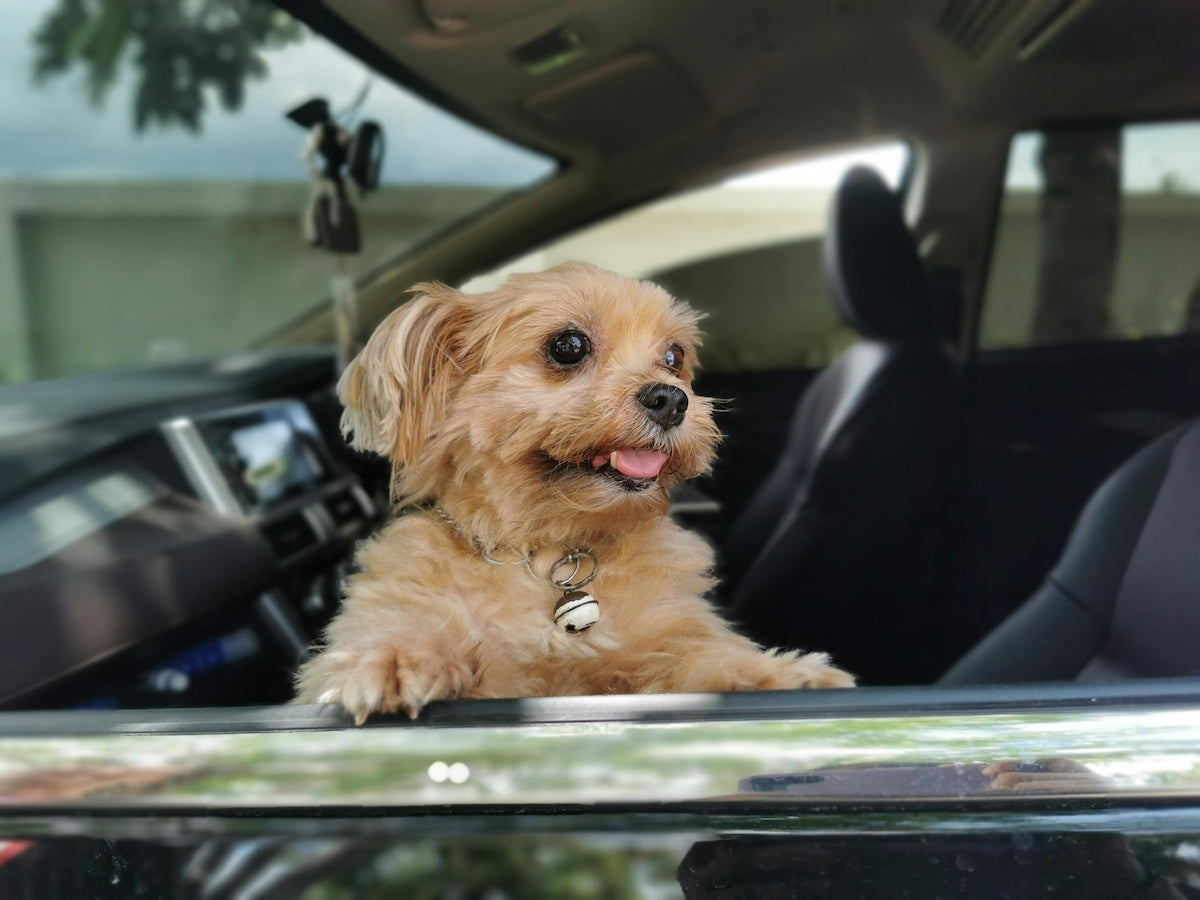
Road trips with an anxious dog don't have to mean hours of whining, panting, or restless circling in the back seat. With the right preparation, dogs that struggle with car anxiety can become genuinely comfortable travelers, but that shift rarely happens on the morning of departure.
Preventing travel anxiety in dogs starts well before the bags are packed. Desensitization and counter-conditioning, which involve pairing short, low-pressure car sessions with treats and positive reinforcement, help a dog build a new emotional association with the vehicle over days or weeks.
Once the dog is more relaxed around the car itself, setting up a dedicated travel space inside is the next step. A crate, a secured harness, or familiar bedding gives the dog a predictable zone to settle into. Reducing visual and physical chaos inside the vehicle matters too, since an anxious dog reacting to every passing car or sliding bag will find it much harder to calm down and stay that way.
Road Trip Prep That Helps Right Away
The two biggest levers for a smoother trip are practice before departure day and a secure, comfortable travel space. Getting both right makes everything else easier to manage.
Start Before Departure Day
The work of preventing travel anxiety in dogs begins well before the trip itself. Desensitization and counter-conditioning are the most effective tools here. Short, low-pressure car sessions paired with treats and positive reinforcement help a dog build a new emotional association with the vehicle over days or weeks, rather than being thrown into a long drive without any preparation.
Set Up a Calm Spot in the Car
Once the dog is more comfortable around the car, creating a dedicated travel space inside is the next priority. A crate, a secured harness, or familiar bedding gives the dog a predictable zone to settle into. Reducing visual and physical chaos inside the vehicle matters too, since an anxious dog reacting to every passing car or sliding bag will find it much harder to stay calm throughout the drive.
Packing thoughtfully is just as important as the behavioral prep covered above. A well-organized kit gives an anxious dog reliable anchors throughout the drive, and it makes stops calmer for everyone involved.
What Anxious Dogs Need Within Reach
The goal is comfort and predictability, not an overstuffed bag. The core items worth having accessible include fresh water and a travel bowl, familiar bedding or a worn blanket, high-value treats for reinforcement, cleanup supplies, and a favorite chew toy.
Calming aids can also make a real difference for dogs that already tolerate them. A pheromone spray applied to bedding before the trip, a Thundershirt worn during the drive, or an Adaptil collar are all worth considering if the dog has responded well to them at home.
Keeping everything within easy reach matters too, since frantic digging through luggage at a rest stop adds unnecessary tension. It's also worth monitoring stress signals during stops. Panting is one sign to watch for, and understanding why is my dog panting so much can help owners distinguish normal exertion from genuine distress, alongside other signals like pacing, drooling, and whining. Having the right must-haves for stress-free dog road trips prepared in advance makes calm, organized stops much more achievable.
Manage the Ride So Stress Does Not Build
Once the trip is underway, preventing stress from escalating requires the same intentional approach used during prep. Small decisions about when to stop, when to feed, and how warm the car gets can either keep a dog calm or quietly push stress levels higher.
Food, Motion Sickness, and Break Timing
Bathroom breaks should happen on a schedule, before the dog becomes desperate or overstimulated. Stopping every two hours gives most dogs a reliable rhythm to settle into, and reacting to distress is always harder than preventing it.
Motion sickness is worth addressing through meal timing. Feeding a light meal two to three hours before departure, rather than right before leaving, reduces the chance of nausea during the drive. Water should be offered at every stop as well.
Dogs overheat faster than most owners expect, so keeping the car ventilated throughout the journey is important. The AVMA pet safety guidelines are clear on heat stroke risk: a parked car reaches dangerous temperatures within minutes, even with windows cracked.
When to Ask Your Vet for Extra Help
Even with careful preparation, some dogs continue to struggle. If practice rides still trigger vomiting, panic responses, or a flat refusal to approach the car, that's a signal worth taking to a veterinarian rather than pushing through with more repetition.
Medication decisions for travel anxiety are individualized. What works for one dog may not suit another, and improvising dosages or borrowing prescriptions from other pets creates real risk. A vet may bring up options like trazodone or gabapentin depending on the dog's history, health status, and the severity of anxiety or motion sickness. Both require a proper evaluation before use, and medication is best understood as one part of a broader prep plan rather than a standalone fix.
A Calmer Trip Starts Before the Engine Does
Anxious dogs respond best to preparation that feels routine, not rushed. Desensitization, a stable travel setup, and consistent positive reinforcement across practice sessions all reduce the number of surprises a dog encounters on the actual trip.
There's no single tip that fixes travel anxiety. A calm, repeatable approach built around the dog's comfort level will always matter more than checking every box at once.
Author Bio:
Fionna Galliard, a passionate dog lover, is currently expanding her pet family by adopting a cat. By day, she works diligently as a paralegal, navigating legal complexities. Beyond her main job, she delves into sideline writing gigs, leveraging her creativity and versatility to explore diverse topics and narratives.
Want more dog travel tips from 4Knines?
Add 4Knines as a Preferred Source on Google to see more of our guides, advice, and dog travel content in Search.
Chloe's Legacy: One Dog Inspired a Lifesaving Mission
Founded in 2015, Big Cypress German Shepherd Rescue is dedicated to giving forgotten German Shepherds a second chance. The organization rescues dogs that have been abandoned, neglected, abused, surrendered, or left without hope, providing them with medical care, rehabilitation, training, and the compassion they have often never known.
The rescue exists because of one special dog named Chloe.
Chloe was adopted by founder Michelle Delaney and quickly became a beloved member of the family. Although she was only with them for a little over a year, Chloe's gentle spirit left a lasting impression.
When she unexpectedly passed away from a heart condition while alone at a veterinary hospital, Michelle made a promise that Chloe's life would have meaning beyond her loss.
That promise became Big Cypress German Shepherd Rescue.
Every Dog Deserves a Second Chance
Every dog is treated as an individual—not a number. Some arrive frightened and broken, while others simply need someone willing to believe in them again. Each one is given the time, patience, and love needed to heal before being carefully matched with a forever family.
The mission is simple: rescue those no one else will, restore their trust, and ensure every dog has the opportunity to live the life they deserve.
Countless lives have already been changed because one little dog inspired a promise that love would always be stronger than loss. Today, Chloe's legacy lives on in every dog that finds safety, hope, and a place to call home through Big Cypress German Shepherd Rescue.
A Community United for Rescue
Behind every dog saved by Big Cypress German Shepherd Rescue is a dedicated team of volunteers, foster families, adopters, and supporters who make this mission possible. From providing temporary homes and daily care to helping with transportation, events, fundraising, and outreach, this community works together to give each dog the best chance at a new beginning.
The rescue’s success is built on compassion, teamwork, and a shared belief that every German Shepherd deserves patience, love, and the opportunity to find a forever home.
Get Involved
Big Cypress German Shepherd Rescue hosts fundraisers and community events throughout the year, including its annual Paws, Pumpkins & Muddy Mutts Fall Festival. These events bring together dog lovers, families, volunteers, and supporters while raising critical funds to rescue, rehabilitate, and rehome German Shepherds in need.
Whether you attend an event, become a foster, volunteer, adopt, or make a donation, every contribution helps provide medical care, rehabilitation, training, and hope for dogs waiting for a second chance.
Join 4Knines in Supporting Big Cypress German Shepherd Rescue
At 4Knines, we believe every dog deserves safety, comfort, and a loving home. We're proud to support Big Cypress German Shepherd Rescue and the incredible work they do every day.
We invite you to join us in supporting their mission. Consider making a donation, volunteering, fostering, adopting, or attending one of their upcoming events. Together, we can help ensure Chloe's legacy continues to change lives—one rescue dog at a time.
Is a Premium Dog Seat Cover Worth It? The Real Cost of Cheap Covers
If you’re a dog owner, you’ve likely seen the endless scroll of sub-$50 dog seat covers online. The pictures look great, the price is tempting, and it seems like a quick, easy fix for the mud and fur taking over your back seat. But you may have also experienced the familiar disappointment that follows. Within a few months of daily rides with your dog, that bargain cover is sliding, torn, and letting moisture seep through. You’re right back where you started, searching for another one.
This cycle of buying, replacing, and being let down is frustrating and, over time, more expensive than it seems. The real question isn’t about the upfront price tag; it’s about value, reliability, and peace of mind. That's exactly why we built 4Knines—we’re the premium pick (not the cheapest) because we believe in making a product that solves the problem for good. We were tired of flimsy covers that couldn't handle our own dogs, so we engineered a better solution.
This article will break down the hidden costs and common failures of budget-friendly dog seat covers. We’ll look at why they slip, why their "waterproofing" fails, and how their weak components break down. More importantly, we’ll show you what goes into a cover that’s built to last for years, not just a season. By the end, you’ll understand the engineering and material choices that make a premium cover a smarter, more cost-effective investment for anyone who loves bringing their dog along for the ride.
What Really Happens When You Use a Cheap Dog Seat Cover?
Choosing a budget seat cover feels like a smart, practical decision at first. The goal is simple: keep the seats clean without spending a lot. But the reality of daily use with an active dog quickly exposes the compromises made to achieve that low price point. For many dog owners, the experience unfolds in a predictable pattern of frustration, revealing three common points of failure that turn a simple car ride into a constant hassle.
The first issue you’ll likely notice is the constant slipping and bunching. Imagine you’re driving with your 70-pound Golden Retriever, who is excitedly shifting his weight as he looks out the window. You take a turn, and in the rearview mirror, you see the cover has slid into a useless heap in the middle of the seat, leaving your leather or cloth upholstery completely exposed to sharp claws and dirty paws. This isn't just an annoyance; it defeats the entire purpose of having a cover in the first place. The primary job of a cover is protection, and a cover that doesn’t stay put isn’t protecting anything.
Next comes the moment you realize the "waterproof" promise was just a marketing claim. After a fun day at the lake or a rainy walk in the park, your soaked dog hops into the back. You think you’re covered. But when you get home and remove the cover, you find a damp, muddy outline on your car seat. Cheap covers often use a thin, sprayed-on coating or a laminated film that peels and cracks after just a few uses or a single run through the washing machine. What you thought was a protective barrier was really just a temporary shield, and now you’re left with a bigger cleaning job and the lingering smell of wet dog in your car's interior.
Finally, there's the inevitable snap of a brittle strap or buckle. After a few months of sun exposure through the car windows, the cheap plastic components become weak and fragile. One day, as you’re tightening a headrest strap or your dog is simply settling in, you hear a crack. The anchor point is broken, and the cover no longer fits securely. These failures always seem to happen at the worst times, leaving you with an ill-fitting fabric sheet that offers little to no protection. These issues matter because they add a layer of stress to what should be the simple joy of traveling with your dog. The hidden "frustration tax" of constantly readjusting, cleaning up leaks, and ultimately replacing the cover every six months adds up. It’s not just the money; it’s the time and energy you waste dealing with a product that wasn't built for the job.
TL;DR - Quick Takeaways
Cheap Covers Fail Fast: Budget dog seat covers often fail due to slipping, poor waterproofing that delaminates, and brittle straps that break, leading to constant replacement costs and frustration.
Premium is About Performance: 4Knines covers are engineered with heavy-duty materials, a non-slip backing, a genuinely waterproof membrane, and UV-resistant components to withstand daily use from even large, active dogs.
A Smarter Investment: While the upfront cost is higher, a durable, well-made cover backed by a lifetime warranty saves you money and stress in the long run by eliminating the need for repeat purchases.
What Makes a Dog Seat Cover Truly Durable?
The difference between a seat cover that lasts a few months and one that lasts for years comes down to intentional design and quality materials. It’s not about flashy features; it’s about the core components that stand up to the daily reality of claws, mud, weight, and friction. When a cover is engineered for performance, every layer and every stitch serves a purpose. Here are the four key qualities that separate a reliable, long-term solution from a temporary, disposable one.
Heavy-Duty Fabric and Thoughtful Construction
A Truly Waterproof and Breathable System
A Secure Anchoring System That Stays in Place
High-Quality Components That Resist Wear and Tear
4Knines Hard Bottom Extender Car Seat Cover for Dogs — A stable platform engineered to protect your vehicle and keep your dog from floorboard faceplants.
Heavy-Duty Fabric and Thoughtful Construction
The first line of defense is the fabric itself. Cheap covers often use thin, low-density polyester that can easily be punctured or torn by a dog's nails. A premium cover, however, starts with a heavy-duty material, often measured in denier (D). For example, 4Knines uses a heavy-duty polyester. This high-density weave is far more resistant to abrasion and clawing. It was designed not just to keep your car clean, but more importantly, to keep it protected. It’s easy to clean a leather seat, but it's much harder—and more expensive—to fix a hole. This focus on protection is what sets a premium cover apart from cheaper products made only for light messes.
A Truly Waterproof and Breathable System
Many brands claim their products are "waterproof," but the technology behind that claim varies dramatically. Most budget covers use a simple PVC coating or a thin film that is heat-bonded to the fabric. This layer is prone to delamination—peeling away from the fabric after being folded, washed, or exposed to temperature changes in a car. This creates pockets where moisture gets trapped, rendering the waterproofing useless.
A superior system, like our multi-layer K9 Shield® technology, embeds a dedicated waterproof membrane inside the cover. This ensures moisture from wet paws or accidents doesn't soak through to your upholstery. No fabric is 100% waterproof under all conditions, but what matters is its resistance. Third-party testing shows our K9 Shield® fabric withstands 10,649 mm of water pressure. To put that in perspective, heavy rain jackets are typically rated between 5,000–8,000 mm, and premium tent floors start at 10,000 mm. According to experts in outdoor gear at REI, a rating over 10,000 mm provides solid protection even in harsh conditions. This level of water resistance means our covers hold up when your dog jumps in after a swim or a muddy hike.
A Secure Anchoring System That Stays in Place
A cover is only effective if it stays where it's supposed to. The slipping and bunching common with cheap covers is a direct result of an inadequate anchoring system. Most rely solely on headrest straps, leaving the entire seat base unsecured. Any movement from your dog causes the cover to shift.
A well-designed cover uses a multi-point system to lock it in place. This includes not just heavy-duty headrest straps, but also a grippy, non-slip backing that creates friction against the seat. Sturdy seat anchors—tubes or paddles that you tuck into the crease between the backrest and the seat cushion—provide a critical anchor point that prevents the cover from sliding forward. This combination ensures the cover remains taut and in position, even with a large, active dog moving around in the back.
High-Quality Components That Resist Wear and Tear
Finally, the small details make a huge difference in a product’s lifespan. The straps, clips, and buckles on a budget cover are often its weakest links. Made from standard, untreated plastic, they become brittle and fail after prolonged exposure to sunlight and heat inside a vehicle. A snapped buckle can render the entire cover unusable.
Premium covers invest in better components. At 4Knines, we use heavy-duty clips and UV-coated straps. The UV coating protects the material from degrading in the sun, keeping it strong and flexible for years of use. These may seem like minor details, but they are essential for creating a product that you can depend on every single day, for every single ride.
How Does a 4Knines Cover Solve These Common Problems?
At 4Knines, we didn't just set out to make another seat cover. We started as dog owners who were frustrated with products that couldn't keep up with our own dogs. We went through 11 iterations to get our design right, focusing on solving the exact problems that make cheap covers fail. Our approach is engineering-first, guided by real-world experience and customer feedback since 2013. Every feature is a direct answer to a common point of frustration.
To solve the problem of slipping and bunching, we developed a comprehensive stability system. It starts with a high-friction, non-slip backing that grips your car’s seat. We combine this with sturdy seat anchors that you tuck deep into the seat cushions, creating a firm hold that prevents the cover from sliding forward during braking. Our heavy-duty, UV-protected straps ensure a tight fit around the headrests that won't loosen or degrade over time. On our Hard Bottom Seat Extender, we went a step further by adding a rigid, engineered base. This completely eliminates the "hammock sag" you see in other covers, creating a solid, stable platform that supports your dog and prevents the cover from shifting, even with a 120-pound dog on board.
When it comes to waterproofing, our K9 Shield® technology provides protection you can actually count on. Instead of a flimsy surface coating that peels off, we use a bonded waterproof membrane integrated within the fabric layers. It’s designed to withstand mud, slush, and accidents without letting moisture seep through to your seats. It’s heavy-duty, third-party tested waterproofing that holds up to real-life messes and repeated cleaning, so you can say "yes" to more adventures without worrying about the cleanup.
Finally, every 4Knines product is backed by our lifetime warranty (*exclusions apply). This isn't just a promise; it's a reflection of our confidence in the materials and construction we use. It transforms your purchase from a disposable item into a one-time investment in your vehicle’s protection and your peace of mind. When you buy a $30 cover and replace it every year, you spend $150 over five years. A single 4Knines cover is built to last far beyond that, making it the more economical and less wasteful choice in the long run. We built a product we believe in, and we stand behind it for life.
Recommended Product: 4Knines Hard Bottom Extender Car Seat Cover for Dogs
A Stable, Sag-Proof Platform for Your Dog
Enhance your journeys with a product designed to solve the situation described in this article. Easy to use and built to last.
Learn More
Hard Bottom Platform: Prevents hammock sag and creates a stable, secure bridge over the footwell for your dog's safety and comfort.
K9 Shield® Waterproofing: Features our heavy-duty, multi-layer waterproof system to block spills, mud, and accidents from reaching your seats.
Non-Slip and Secure Fit: Combines a high-friction backing with sturdy seat anchors to ensure the cover stays firmly in place during every ride.
Watch on YouTube
"Finally, a seat cover that doesn't bunch up under my 80lb Shepherd! The hard bottom makes a huge difference, and he seems so much more comfortable and secure in the back now. Worth every penny to stop buying a new flimsy one every year."
– Sarah K., Verified Buyer
Is a 4Knines Cover the Right Investment for You?
Deciding between a budget-friendly seat cover and a premium option like 4Knines comes down to your priorities. If you value long-term reliability and want to avoid the cycle of replacing cheap gear, then investing in a higher-quality product is the smarter financial choice. It's not about spending more; it's about spending once on a solution that works.
A 4Knines cover is for the dog owner who sees their dog as part of the family and their vehicle as a valuable asset. It's for those who regularly travel with their pets, whether it’s daily trips to the park or long road trips for weekend adventures. Our covers provide peace of mind, knowing your seats are protected from claws, mud, and moisture. You get to enjoy your time with your dog without the background anxiety of what’s happening to your car's interior.
By choosing 4Knines, you're not just buying a product; you're investing in durability, thoughtful design, and a small business built by dog lovers who stand behind their gear with a lifetime warranty. You’re choosing more adventures and less mess, with a car that still feels like yours. If you're ready to stop replacing and start protecting, a 4Knines cover is the last one you'll need to buy.
Frequently Asked Questions
Are 4Knines covers chew-proof?
We use heavy-duty materials that are highly chew-resistant under normal, supervised use. However, we don't claim our products are "chew-proof," because no soft fabric truly is. A determined dog can chew through almost anything. We believe in being transparent with our customers, and our covers are built for durability in transit, not as a chew toy.
My new cover feels a bit slippery. Is this normal?
Yes, this is normal for a brand-new cover. The heavy-duty fibers and factory-applied waterproofing can feel slick at first. To break it in quickly, you can lightly mist the top with water, ball it up for 15-20 minutes, and then hang it to air dry. This softens the fibers and improves grip without affecting performance or durability.
What’s the easiest way to remove dog hair from the cover?
The fastest method is to hang the cover over a fence or railing and lightly spray it with a hose. The water breaks the static cling and releases the hair from the tight-weave fabric. It dries quickly and is often more effective than lint rolling or vacuuming for routine cleaning.
Will this cover fit my vehicle?
4Knines covers are designed with a universal fit to work in a wide range of cars, trucks, and SUVs. They are not custom-fit for a specific make and model, but their adjustable straps and versatile design provide excellent coverage for most vehicles. We recommend checking our detailed fit guides to ensure you choose the right size.
Why are door guards sold separately?
We focus our investment on what matters most for long-term use: premium materials, strong construction, and reliable waterproofing. Many built-in door guards are flimsy or go unused. By making them optional, we don't compromise the quality of the core seat cover. For customers who need them, our optional 4Knines Door Guards feature a unique 4-point attachment system for a much more secure fit.
Check out our other blog for more information. Pet Seat Cover for Car: Complete Guide to Protection, Comfort, and Cleaning
The Parent’s Guide to After-School Pickup: A Calmer, Cleaner Ride Home
The final school bell rings, and for many parents, it’s the starting gun for the day’s most chaotic event: the after-school pickup. You watch as your kids pile into the car, a whirlwind of energy, heavy backpacks, muddy shoes, and the remnants of their lunchbox. It’s a moment filled with joy and reunion, but it’s also a daily stress test for your vehicle’s interior. Crumbs find their way into every crevice, juice boxes tip over, and sports gear leaves its mark on your upholstery. The family car often bears the brunt of this daily transition, turning a valuable asset into a rolling mess-magnet.
But it doesn’t have to be this way. With the right strategy and a few after school pickup essentials, you can transform your vehicle from a stress zone into a prepared, protected sanctuary on wheels. This isn’t about achieving sterile perfection; it’s about creating a system that reduces your daily cleanup burden, protects your car from long-term damage, and makes the ride home a more peaceful transition for everyone. This guide will walk you through a practical, layered approach to mastering the after-school pickup, ensuring you can meet your child’s needs without sacrificing your car’s cleanliness and value. We’ll show you how to build a routine that saves you time, stress, and the headache of constant deep-cleaning.
Why Does the After-School Pickup Wreck Your Car and Your Nerves?
For many parents, the car ride home is a critical 'transition zone.' As experts at the Child Mind Institute point out, children are often overstimulated, emotionally drained, and hungry after a long day of learning and social interaction. This state can lead to meltdowns, spills, and a general disregard for cleanliness. The car becomes the first place they can finally decompress, and that process is often messy. The core issue isn't the kids themselves, but the lack of a system to manage this predictable daily event.
Most parents fall into a reactive cycle: dealing with messes only after they happen. You wipe up the spill after it has already started to soak into the seat, and you vacuum the crumbs long after they’ve been ground into the floor mats. This approach feels like you’re always one step behind, and the cumulative effect is significant. It leads to stained upholstery, scratched surfaces, lingering odors, and a decline in your vehicle's resale value. More importantly, it adds to your own mental load, turning what should be a happy reunion into a frustrating chore.
The challenge is two-fold: you must address your child's immediate needs for comfort and food while simultaneously protecting your vehicle's interior. Without a proactive plan, these two goals are often in conflict. Giving your child a snack might prevent a hunger-induced tantrum, but it also invites crumbs and spills. Letting them toss their backpack on the seat gets you on the road faster, but it risks scuffs and tears. The key is to stop reacting and start preparing.
The Reactive Approach
The Proactive Approach
Cleaning spills after they soak in
Having a waterproof barrier in place
Finding ground-in crumbs days later
Using an easy-to-clean surface
Worrying about scuffs from bags and gear
Using a durable, protective layer
Feeling stressed and overwhelmed daily
Feeling prepared and in control
TL;DR – Quick Takeaways
Embrace a Proactive System: Instead of cleaning up messes after they happen, set up your car to prevent them in the first place. This saves time, reduces stress, and protects your car's value.
Acknowledge the 'Transition Zone': The ride home is a crucial time for kids to decompress. Meeting their needs with planned snacks and comfort items can prevent many messes and meltdowns.
Prioritize Vehicle Protection: The most critical step is a foundational layer of protection. A high-quality, durable seat cover is the non-negotiable essential that makes all other cleanup efforts easier.
How Do You Build a Car Sanctuary on Wheels?
Creating a calm, clean car environment is about building a simple, three-layered system. Each layer addresses a different aspect of the after-school pickup, and when used together, they create a seamless, stress-free experience. Think of it as your mobile headquarters, always ready for action.
Layer 1: The Child Comfort Kit
This layer is all about meeting your child’s immediate needs the moment they get in the car. A comfortable, nourished child is far less likely to be fussy or careless. Your kit should be simple and stored in an accessible caddy or seat-back organizer.
Mess-Free Snacks & Drinks: Pack snacks that minimize crumbs, like cheese sticks, apple slices, or granola bars. Use spill-proof water bottles or juice pouches with straws to prevent accidents.
Calm-Down Activities: For longer rides, have a small book, a coloring pad, or a favorite toy ready. This helps redirect their energy and provides a quiet way to decompress.
Comfort Items: A small blanket or a favorite stuffed animal can provide a sense of security and comfort after a tiring day.
Layer 2: The Instant Cleanup Station
This layer ensures you can tackle any messes that do happen, quickly and efficiently. Having these items within arm's reach prevents small issues from becoming big problems.
Wipes and Napkins: An absolute must-have for sticky fingers and small spills.
A Designated Trash Receptacle: Use a small, dedicated car trash can or even just a plastic bag to collect wrappers and garbage. This simple habit keeps clutter from taking over.
A 'Just-in-Case' Towel: Keep an old towel in the trunk for surprise muddy days or major spills.
Layer 3: The Foundational Protection Shield
This is the most important layer and the one that makes all the others work. While the first two layers manage the chaos, this layer protects your vehicle from it. Without a durable, waterproof barrier, crumbs will still find their way into seams and spills will eventually become stains. A high-quality rear seat cover is the bedrock of a prepared family vehicle. But not all covers are created equal; certain features are non-negotiable for handling the rigors of family life.
4Knines Seat Cover — Built to protect your vehicle's interior from the daily demands of carpools, sports gear, and family adventures.
Key Qualities to Look For in a Seat Cover
Complete Seat and Floor Protection
A Heavy-Duty, Puncture-Resistant Material
Reliable, Lab-Tested Waterproofing
A Secure, Non-Slip Fit That Stays in Place
Effortless Installation and Cleaning
1. Complete Seat and Floor Protection
Kids don't just sit politely in their seats. They kick the seatbacks, drop things on the floor, and use the seats as a launchpad. Look for a cover that offers generous coverage, including the seat base, back, and ideally, a hammock feature that shields the floor and the back of your front seats. This creates a contained zone for messes.
2. A Heavy-Duty, Puncture-Resistant Material
Your seat cover needs to be tougher than your kids' gear. Think about backpack zippers, sports cleats, musical instrument cases, and forgotten toys. A thin, flimsy cover won't last a semester. A heavy-duty polyester with a tight weave is ideal because it resists tears and punctures, protecting your upholstery from the kind of accidental damage that is expensive to repair.
3. Reliable, Lab-Tested Waterproofing
Spills are inevitable. From tipped water bottles to leaky juice boxes, moisture is a constant threat to your car's interior. You need more than just "water-resistant" fabric; you need true waterproofing. Look for covers with a dedicated waterproof membrane. This technology ensures that even if a liquid sits for a while, it won’t soak through to the seats, preventing stains and musty odors.
4. A Secure, Non-Slip Fit That Stays in Place
A cover that bunches up and slides around is not only ineffective but also frustrating. A great cover uses multiple points of contact to stay put: sturdy headrest straps, seat anchors that tuck between the cushions, and a non-slip backing material. This ensures the cover remains securely in place, even with wriggly kids climbing in and out.
5. Effortless Installation and Cleaning
Finally, the cover itself shouldn’t be a chore. It should install in minutes with intuitive straps and clips. And when it comes to cleaning, the easier, the better. The best materials allow you to simply wipe them down with a damp cloth for daily messes. For a deeper clean, the ability to hose it off or put it in the washing machine is a huge time-saver for busy parents.
The 4Knines Difference: Protection Engineered for Real Life
At 4Knines, we understand that a seat cover is more than an accessory; it’s an essential piece of gear for any active family. Founded by dog lovers who were frustrated with products that couldn't handle real-life mess and wear, we engineered our covers for maximum durability and protection. That same commitment to quality is what makes our covers the perfect solution for the daily challenges of after-school pickups.
We didn't just design a cover; we obsessed over it, going through 11 iterations to get it right. Our primary goal was protection. While keeping seats clean is important, preventing permanent damage from sharp objects like dog claws, backpack zippers, or sports equipment is our top priority. Cheaper covers might contain a small spill, but they won’t stop a cleat from puncturing your leather seats. 4Knines is built to be a shield.
Our heavy-duty polyester material provides the puncture resistance needed to protect your investment. For waterproofing, we developed K9-Shield® technology, a multi-layer system with a dedicated waterproof membrane. We had it tested by a third-party lab, and the results speak for themselves: our seat bottom fabric can withstand 10,649 mm of water pressure. To put that in perspective, heavy rain jackets are typically rated between 5,000–8,000 mm. This means our covers offer protection you can count on, day in and day out.
We know a cover only works if it stays put, which is why we use a high-temperature rated non-slip backing, sturdy seat anchors, and heavy-duty straps to create a secure, universal fit. Since 2013, we’ve been committed to this level of quality, and we back it with USA-based customer service and a lifetime warranty (*exclusions apply). Choosing 4Knines is choosing peace of mind, knowing your vehicle is protected by gear that’s built for the long haul.
Recommended Product: Rear Seat Cover for Fold Down Seats
Protection Without Compromise.
Enhance your journeys with a Rear Seat Cover that creates a safe, comfortable, and stress-free space for your entire family, paws and all. Easy to use and built to last.
Learn More
Car Seat Compatible: Velcro openings provide full access to LATCH anchors and seatbelts.
Stays in Place: A heavy-duty non-slip backing and seat anchors prevent sliding.
Waterproof & Durable: K9-Shield multi-layer construction protects against all messes.
Consider adding a Seat Back Organizer to compliment the rear seat cover for total protection.
▶️ Watch on YouTube
Conclusion: Win the Day, Before it Begins
The after-school pickup will always have an element of unpredictability, but your response to it doesn't have to be chaotic. By shifting from a reactive mindset to a proactive one, you can reclaim control over your car's interior and your own peace of mind. The three-layered system—Child Comfort, Instant Cleanup, and Foundational Protection—provides a simple yet powerful framework for managing the daily routine.
While snacks and wipes are helpful, the true cornerstone of this system is the protection layer. Investing in a durable, waterproof, and well-fitted seat cover like those from 4Knines isn't just about keeping your car clean; it's about protecting a significant asset from long-term damage. It allows you to say "yes" to post-practice snacks and "don't worry" to muddy shoes. It empowers you to be the calm, prepared parent you want to be, ready for every ride and whatever mess it may bring. Stop cleaning up the chaos and start preventing it. Your car—and your future self—will thank you.
Frequently Asked Questions
How durable are these covers against kid-related wear and tear?
Our covers are made from heavy-duty, tightly woven polyester, making them highly resistant to punctures and tears from things like backpack zippers, sports equipment, and other sharp objects under normal use. While no fabric is indestructible, they are engineered to withstand the daily rigors of family life far better than standard covers.
My new cover feels a bit slippery. Is that normal?
Yes, this is normal for a brand-new cover. The heavy-duty fibers and the factory-applied waterproofing layer can feel slick at first. To break it in quickly, you can lightly mist the top with water, ball it up for 15-20 minutes, and then hang it to air dry. This softens the fibers and improves grip without affecting its protective qualities.
What’s the easiest way to clean up crumbs and spills?
For everyday messes like crumbs and dirt, you can simply shake the cover out or wipe it down with a damp cloth. For sticky spills or mud, a quick spray with a hose is incredibly effective. The water releases debris from the tight weave without needing a full machine wash. The cover air dries quickly, making cleanup fast and simple.
Can I still use the seat belts with the cover on?
Absolutely. Our covers are designed with seat belt openings that have hook-and-loop closures. This allows easy access to seat belt buckles for car seats, booster seats, and passengers, ensuring safety is never compromised.
Check out our other blog for more information. How Do I Wash A 4Knines Seat Cover Safely?