Not All Waterproofing Is Created Equal - Why 4Knines Goes the Extra Mile
Ever been caught in a rainstorm with a jacket that claimed to be "waterproof" but left you soaked anyway? It’s the same deal with car seat covers. Lots of products say "waterproof" but don’t back it up. At 4Knines, we decided to prove it. Because keeping your seats dry isn't just about comfort—it’s about reducing cleanup, preventing damage, and staying focused on the road (not the mess in the backseat).
In this post, we’ll explain how waterproofing fabric actually works, why no fabric is ever 100% watertight, and what makes 4Knines' K9-Shield™ technology stand out.
What You'll Learn:
- How waterproofing fabric actually works
- Why seams and openings matter more than people think
- What hydrostatic pressure means (in real-world terms)
- How 4Knines' testing compares to outdoor gear
- Why it's not about perfection—it's about performance
What Makes a Fabric "Waterproof"
Waterproof fabric is built to resist moisture. But it's not magic—it’s science. There are several common waterproofing materials used in textiles, each with their own strengths and drawbacks:
-
PU (Polyurethane) Coating: Polyurethane is a flexible, lightweight coating applied to the surface of fabric to prevent moisture from soaking in. It allows for some breathability and is less likely to crack over time, making it ideal for everyday use. PU is often used in combination with other materials to provide a strong first layer of protection. At 4Knines, we apply PU on the outer fabric layer for initial water resistance and stain protection.
-
TPU (Thermoplastic Polyurethane) Film: TPU is a bonded waterproof membrane that delivers excellent durability, elasticity, and resistance to cold temperatures. Unlike coatings that can wear off over time, TPU is bonded to the fabric and adds a long-lasting layer of waterproofing. It's more eco-conscious than PVC and stays flexible even in harsh weather. 4Knines uses TPU on the underside of our covers to provide a second, more permanent waterproof barrier. This is the same material waterproof mattress protectors use.
-
PVC (Polyvinyl Chloride): PVC is a plastic-based coating used widely due to its low cost and strong water-blocking ability. However, it's heavier, prone to cracking, and may contain phthalates or heavy metals. While it is technically waterproof, it is less suitable for long-term durability and can become brittle with age. At 4Knines, we do not use PVC due to these downsides and concerns about material safety near pets.
By combining PU and TPU, we offer a layered, high-performance waterproofing system without the harshness or limitations of PVC. It’s about using smarter materials that perform well, last longer, and feel better for everyday life.
But here’s the truth: even with the best tech, fabric can’t be 100% watertight. Why? Because pressure and time matter. Think of it like this: if you sit on a damp towel for long enough, moisture will eventually seep through. It’s not the towel’s fault—it’s just physics.
How We Measure Waterproofing
We don’t just say our seat bottoms are waterproof. We tested them.
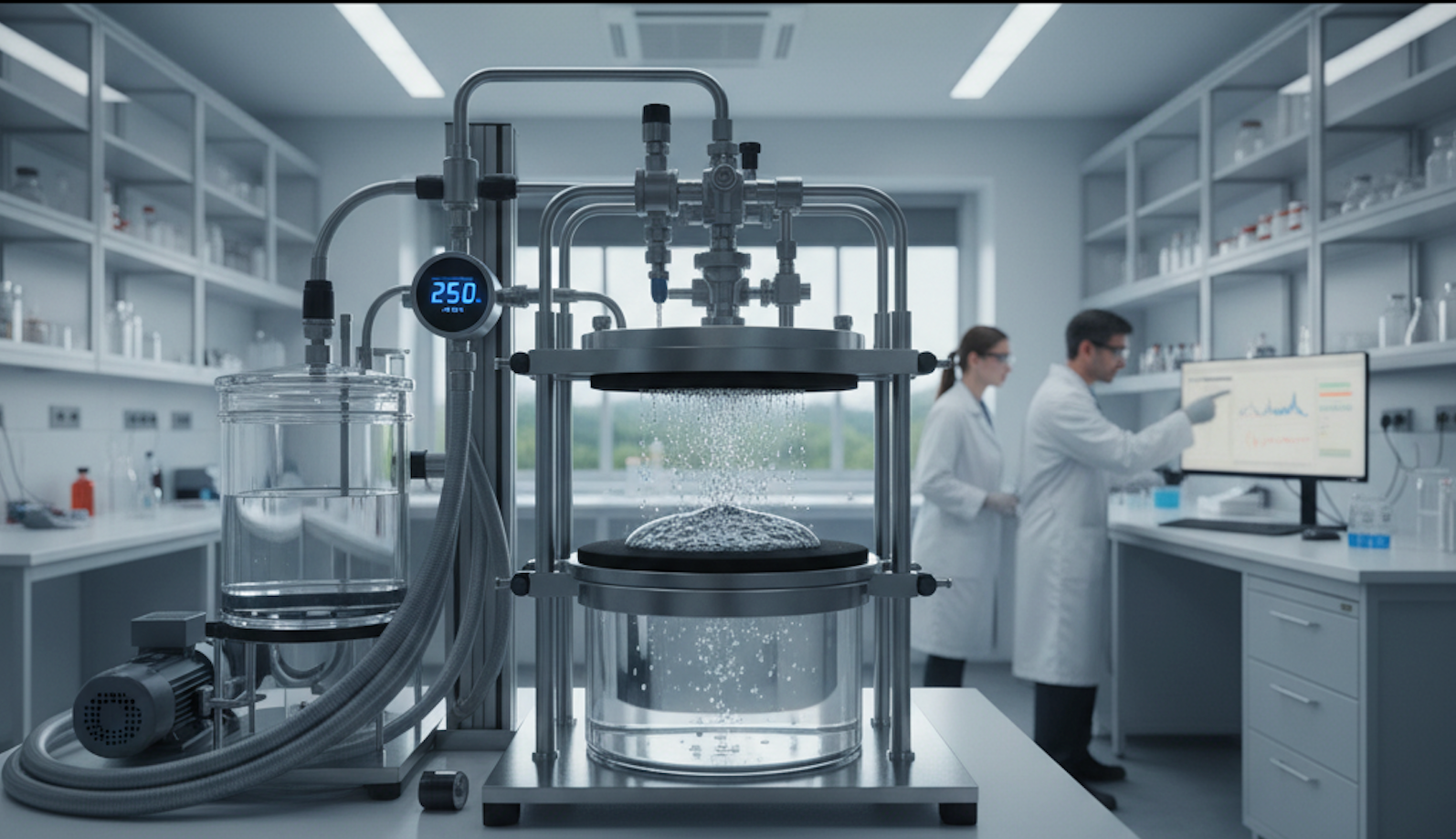
Our covers underwent a hydrostatic pressure test—a lab test that simulates the real-life force of water pushing into the fabric over time. The test measures how much water pressure a material can handle before it begins to leak.
What Is Hydrostatic Pressure Testing?
In this test, fabric is clamped tightly under a sealed tube. Water is slowly added until the pressure causes droplets to break through the fabric. The test result is recorded in millimeters (mm) of water: the higher the number, the more resistant the fabric is to water.
This matters because different types of moisture exposure apply different levels of pressure. A quick splash has low pressure. But if your pet jumps into the car soaked from rain and sits on the seat for a while, that moisture is being pressed into the fabric. The higher the hydrostatic rating, the longer and harder it can resist that pressure.
4Knines Result: 10,649 mm of water resistance
To put that in perspective:
- Light Rain Gear: 1,500–3,000 mm
- Heavy Rain Jackets: 5,000–8,000 mm
- Premium Tent Floors: 10,000+ mm
At 10,649 mm, our seat bottom fabric is tougher than many high-end outdoor tents. That means it holds up even when dogs jump in after a lake day or muddy hike.
Limitations: What No One Tells You
We’re proud of our results, but we’ll also tell it like it is. Waterproofing has limits:
-
Seams and Stitching: Every seat cover needs seams to hold its shape. They’re strong, but not watertight.
-
Velcro & Openings: These help with seatbelt access and fit, but can let water sneak through.
-
Soaking Time & Pressure: If liquid sits too long or gets pressed (like by a pet sitting in a puddle), moisture might find a way in.
No textile in the world is 100% waterproof in all conditions—not tents, not jackets, not even premium outdoor gear. What matters is how long and how hard the material can resist water, and how well it holds up under real-world use. We recommend cleaning and drying your product as soon as it is exposed to moisture to ensure the best results.
Why Testing Matters (And Why Most Brands Don’t Do It)
At 4Knines, we don’t just design premium products—we test them to prove they perform. Every fabric we use goes through third-party lab testing for colorfastness, waterproofing, and durability. Why? Because we build our seat covers from the ground up with care and quality in mind.
Most other companies don’t even know what tests like hydrostatic pressure are, let alone how their products would score. They copy-cat designs, skip the science, and hope for the best. That means when you buy from them, you’re taking a gamble.
But when you buy from 4Knines, you can be confident you’re getting a product that’s been engineered, tested, and proven to perform. We don’t cut corners—and your seats won’t pay the price.
Built for Real Life
Whether you’re hauling dogs, gear, groceries, or all three, life gets messy. Our covers are made to handle it—not just in theory, but in 3rd party and real-world testing.
How Waterproof Fabrics Really Work – And Why 4Knines Goes the Extra Mile
Context: Why this topic matters
In the world of pet travel gear and automotive interior protection, waterproof materials play a critical role in shielding car seats and cargo areas from spills, dirt, and moisture. As pet parents demand durability without compromising comfort and safety, understanding how waterproof fabrics function and what separates premium options from standard ones becomes essential.
Outcome: What the reader will gain
Readers will understand the science behind waterproof fabrics, how 4Knines enhances product performance using advanced technologies, and why these innovations matter for longevity, safety, and real-world utility.
Specifics: Step-by-step guide
- Learn the difference between waterproof and water-resistant fabrics.
- Discover how waterproof barriers like TPU (thermoplastic polyurethane) work.
- Explore how 4Knines products use multi-layer construction to safeguard interiors without sacrificing comfort.
Meaningful Applications: Real-world examples
Pet parents who use 4Knines seat covers can attest to the protection they offer during rainy hikes, muddy park runs, or even after beach outings. The implementation of TPU backing and non-slip technology ensures safety and cleanliness for both short drives and long road trips.
Organized Checklist: COSMO Integration
✅ Understand fabric technologies (TPU vs PVC)
✅ Prioritize non-toxic, safe materials
✅ Choose multi-layered fabric for durability
✅ Evaluate product certifications and lab-testing
✅ Select options designed with pets in mind
Frequently Asked Questions
Is TPU better than PVC for waterproofing?
Yes, TPU is more durable, flexible, and environmentally friendly compared to PVC. It is also chemically safer for pets.
How do 4Knines covers stay in place?
4Knines uses non-slip backing and adjustable straps to ensure their covers stay securely attached even with active pets.
| File |
Alt Text |
Title Attribute |
Caption |
| hero-image.jpg |
Hero image for How Waterproof Fabrics Really Work – And Why 4Knines Goes the Extra Mile |
How Waterproof Fabrics Really Work – And Why 4Knines Goes the Extra Mile - blog hero |
Key visual highlighting waterproof fabric technologies |
| infographic.jpg |
Infographic for COSMO checklist |
Visual guide for COSMO usage |
Step-by-step COSMO optimization guide |
Want more dog travel tips from 4Knines?
Add 4Knines as a Preferred Source on Google to see more of our guides, advice, and dog travel content in Search.