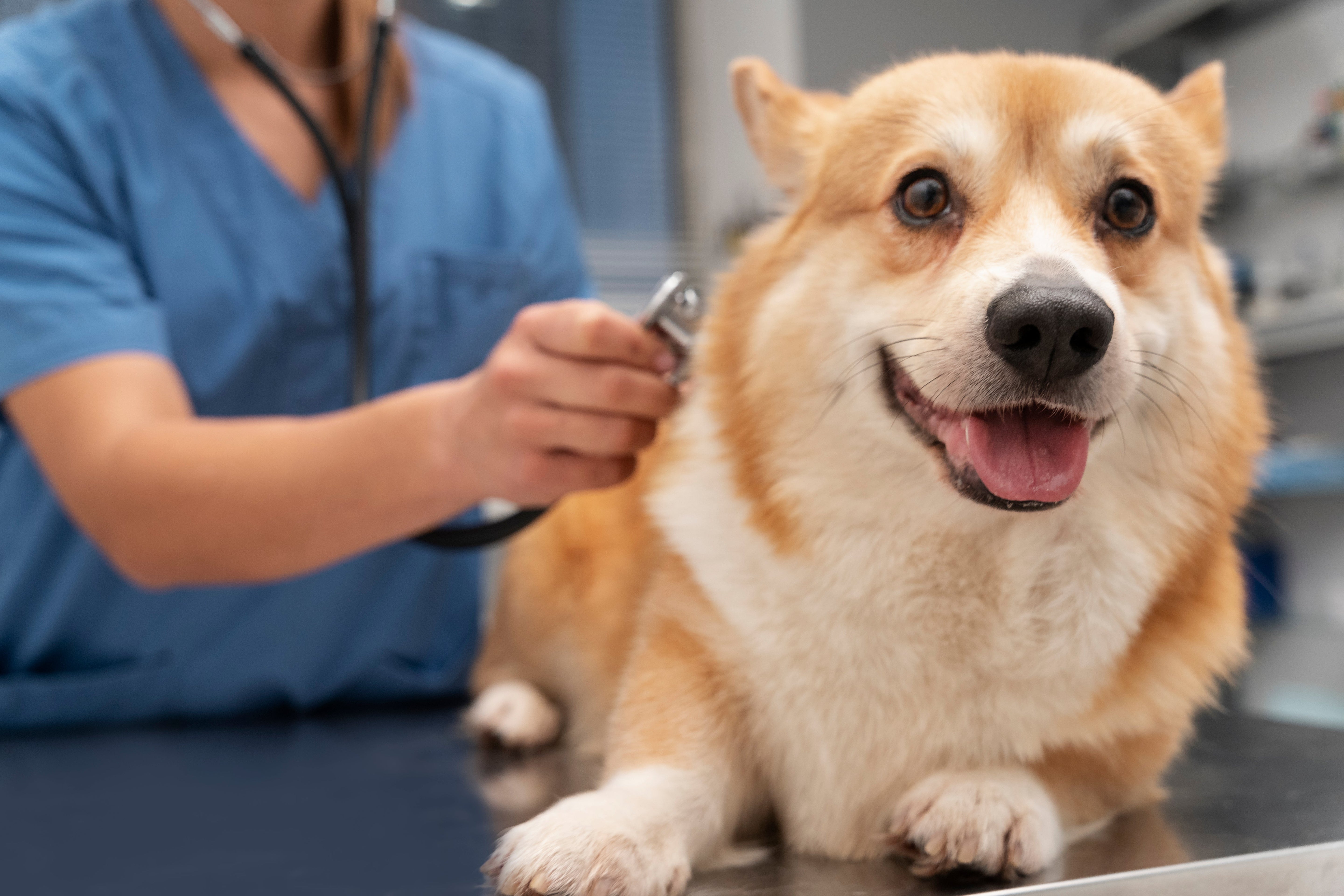
Whether it's a cat or a dog, your bond with your pet will always be special—especially if you genuinely care for them. You probably pamper them with treats, toys, and everything that makes them happy. But what about their preventive care? Are you doing enough for them in this area? A study found that 52% of pet owners skipped vet visits in 2024. It doesn't end there; many pet parents rely on the internet for diagnoses. While information can be empowering, random online sources can never provide conclusive solutions. Your pet's condition may worsen instead. The only way to keep them healthy is to take them to a vet regularly. This practice should be an essential part of their care, not an add-on. Think of it as an investment in your pet's health.
Type pet exam near me into Google to find a clinic. Local, experienced vets can be trusted to handle routine checkups, which are essential for both your pet’s health and your peace of mind.
Benefits of regular health checkups for pets and pet parents
While a no-brainer, it's important to remind yourself of certain things. For example, regular vet visits help detect diseases or medical conditions in their early stages, which can be cured or treated effectively. Of course, there is a cost to everything. But preventive measures like these are always more budget-friendly than those that require advanced treatment in emergencies. You cannot afford to wait for your pet to manifest the signs. If you do, you are ultimately preparing to pay a more expensive medical bill. So, don't avoid these essential pet care steps. The vet can handle everything from vaccination to diet and behavioral support.
If you’re unaware, there’s also a hidden benefit to spending time with your pet during these visits. Your relationship with your four-legged friend becomes stronger through familiarity, and they feel less stressed during checkups.
Frequency of health checkups for dogs and cats
Several factors come into play; the need for regular checkups can vary for cats and dogs depending on their age, health, lifestyle, and breed. Kittens and puppies may need to visit a clinic several times during their first year, between six weeks and six months of age. They need to be vaccinated. Plus, their nutritional requirements and parasite control measures should be addressed. It is also the right time to think about surgeries, such as neutering and spaying. Adult pets can be checked once a year to monitor their health.
If you have a senior cat or dog, consider taking them to the vet for wellness exams twice a year. It should become a practice once they turn 7. Older pets are more vulnerable to age-related health issues such as kidney problems, diabetes, and arthritis. They may need different types of diagnostic tests to track their organ function.
Bringing up a pet is all about commitment. In return, pets remain truly faithful to you. Their unconditional love can heal you if you feel broken inside. In fact, their presence can also brighten up an already joyful life.
Author Bio
Sujain Thomas is an avid animal lover, pet care enthusiast, and content writer passionate about helping pet owners build happier, healthier relationships with their furry friends. With years of experience writing about pet health, nutrition, and behavior, Sujain loves sharing practical tips and science-backed insights that make pet parenting easier and more rewarding. When she’s not writing, you’ll find her spending time with her rescue dog, exploring new pet-friendly spots, or volunteering at local animal shelters.
Want more dog travel tips from 4Knines?
Add 4Knines as a Preferred Source on Google to see more of our guides, advice, and dog travel content in Search.