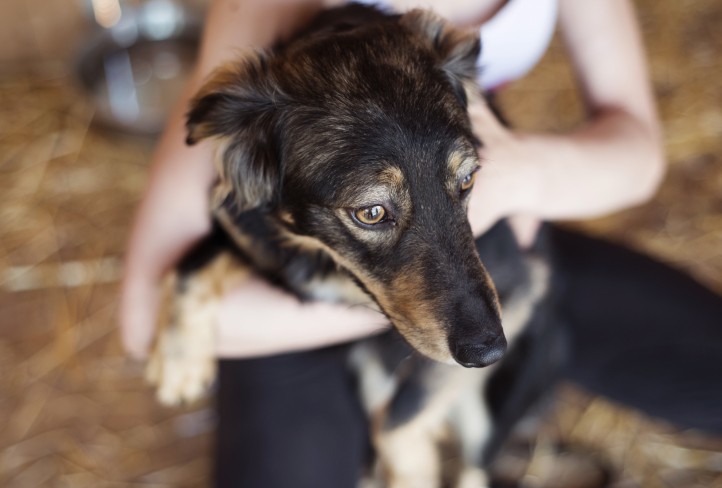
Now, there are many resources and healthcare routes to explore, both medical and alternative that just didn’t exist years ago. Having a trusting, solid relationship with your veterinarian is key. There are also some wonderful online support groups where members share their stories, recommendations, treatment options, and support. The important thing to remember is that you are not alone.
Your dog just had a seizure. Now what should you do?
The first thing to do when your dog has experienced a seizure is get him/her to the vet. It’s important to be sure there is no serious underlying health issue causing the seizure. The vet will run some tests, and depending on your dog’s diagnosis, you will discuss different courses of treatment. Or, you may be advised to wait to see if s/he has another, as it could be just a one-time occurrence.
2. Research. Research. Research
Do all the research you can on Canine Epilepsy, seizures, food and environmental triggers, medications, alternative therapies, and treatments, etc. Become your own personal expert on the disease so you can have well-informed conversations about your dog’s care with your veterinarian.
3. Network
There are some excellent Canine Epilepsy online resources, including various organizations, social media pages and groups, and listserv groups, including the Canine Epilepsy Resources Epil-K9 Email list.
4. Stay Calm
As hard as this is… it’s important for both you and your dog that you remain calm before, during, and after a seizure.
5. Think Cool
Seizure activity can drive a dog’s temperature up dangerously high. Place instant ice packs (frozen peas, frozen veggies, even loaves of frozen bread will do in a pinch) behind your dog’s neck, under the “arm pits” of his legs, back of neck, and belly. Also cool down the paw pads with cool water.
6. Give a Snack
After dogs come out of a seizure, a little all-natural vanilla ice cream, honey, or natural maple syrup will help to raise their sugar levels back up. Follow with a protein such as little kibble, cheese stick, a spoonful of cottage cheese, chicken, etc. to help stabilize those sugar levels.
7. Water Is a Must
Let your dog take some sips of water.
8. Think Safety
Your dog may experience confusion and temporary blindness post-seizure. Be sure s/he is in a safe area (no stairs, wires, etc.).
9. Give Hugs and Reassurance
Speak in soft, reassuring tones repeating your dog’s name as you pet and hold your dog close. He won’t remember his seizure, but he may come out of one shaken. A familiar voice and a little calming influence will go a long way in keeping him/her calm.
10. Secure Family Pets
It’s a good idea to keep other family pets safely secured in another room while your dog is having seizures. The other pets can get confused and may even attack the seizing dog out of fear.
11. Journal
Start a journal and note the date and time of the seizure(s), how long it lasted, how your dog acted, what your dog was doing before seizure, what the weather was like, was your dog out in the yard, was the TV on, how long the postictal stage lasted, etc. These notes are very important to help create a seizure log and discuss with your vet.
12. First Aid Kit
If you don’t already have a First Aid Kit for your Epi-dog, now is a good time to create one. Include items such as the journal, medications, natural calming aids, instant ice packs, dog ear thermometer, vet and emergency hospital contact numbers, honey or maple syrup, moist wipes for post-seizure cleanup, etc.
Seeing your dog have a seizure is a scary thing to witness. But, with some special care, and lots of love, Epi-dogs can – and do – live full, happy lives!